Bitcoin's price plummeted to its lowest level in over a year, while a US court ordered Uber to pay millions in a sexual assault case, and protests erupted in Malawi over tax changes, according to multiple news reports. These events, along with a diplomatic shift in China and severe weather in Europe, dominated headlines.
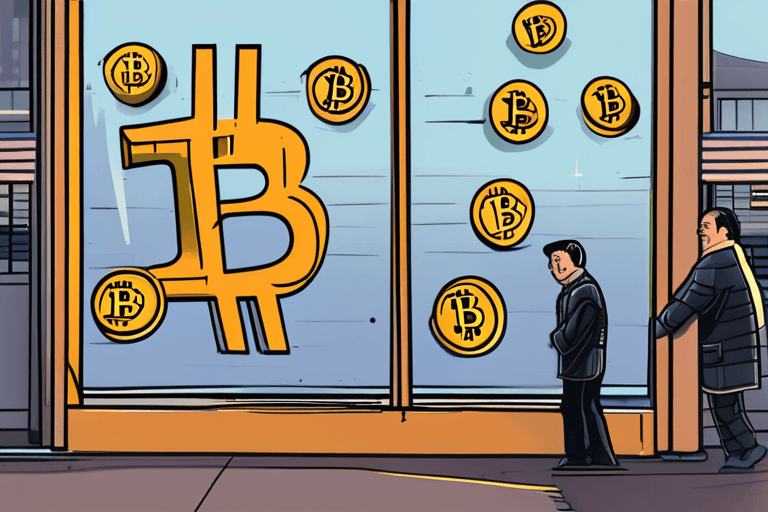
The price of Bitcoin fell to $60,000 (44,000), its lowest point since September 2024, despite public support for cryptocurrency from figures like former US President Donald Trump, according to BBC Technology. The drop followed months of rising prices, which saw the cryptocurrency reach an all-time high of $122,200 in October 2025. "Those who bet too big, borrowed too much or assumed prices only go up are now finding out the hard way what real market volatility and risk management look like," Joshua Chu, co-chair of the Hong Kong Web3 Association, told Reuters.
In other news, a US court ordered Uber to pay $8.5 million (6.2 million) to a woman who claimed she was raped by a driver. The ruling, reported by BBC Business, could influence thousands of other cases against the ride-sharing company. The federal lawsuit was heard in Arizona, where a jury found Uber responsible for the driver's behavior. Uber stated its intention to appeal the verdict.
Meanwhile, thousands of businesses in Malawi closed in protest against new tax changes. Demonstrations across the country's four main cities led to a delay in the introduction of the new tax regime, which business owners fear will cripple their livelihoods, The Guardian reported. Tens of thousands of people signed petitions presented to tax authorities.
Also, Storm Leonardo continued to batter Europe and northern Africa, with Spain and Portugal experiencing torrential rain and strong winds. Spain's state meteorological agency issued its highest red alert for heavy rainfall in Cádiz and parts of Málaga, according to The Guardian. Flash floods in Morocco forced over 100,000 people to evacuate.
Finally, China overturned the death sentence of Canadian Robert Lloyd Schellenberg, in a possible sign of a diplomatic thaw, The Guardian reported. Schellenberg was detained on drug charges in 2014 before Canada-China ties deteriorated in 2018. The move comes as Prime Minister Mark Carney seeks to boost trade ties with Beijing.

















Discussion
AI Experts & Community
Be the first to comment