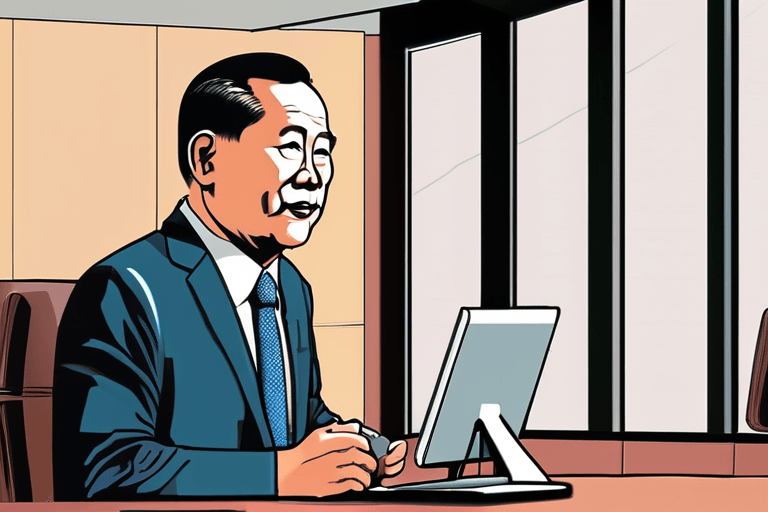
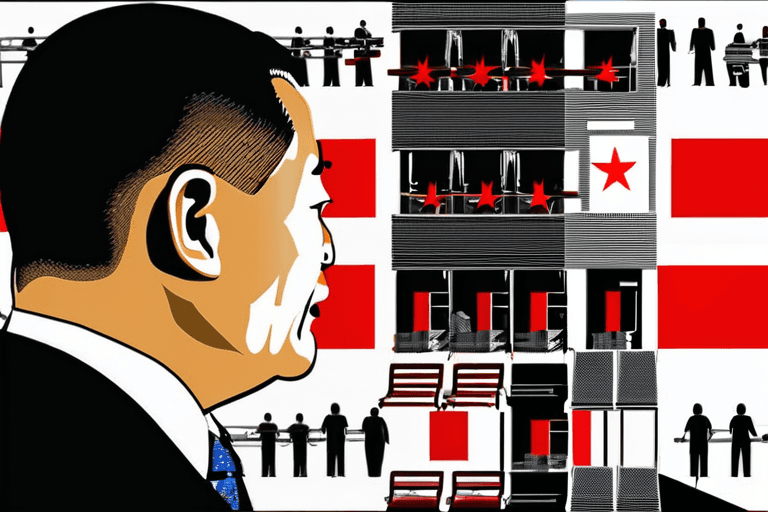
Former Hong Kong media tycoon and China critic Jimmy Lai was sentenced to 20 years in prison on Monday, the longest punishment yet under a national security law imposed by Beijing, according to multiple reports from the Associated Press. The 78-year-old was convicted in December of conspiring with foreign forces and publishing seditious articles.
Lai's sentencing comes as the city's dissent has been virtually silenced under the national security law. According to NPR News and NPR Politics, the sentence was handed down on February 9, 2026. Lai was a fierce critic of Beijing and a pro-democracy advocate.
In other news, Thailand's Prime Minister, Anutin Charnvirakul, was feeling the strain of the campaign trail, as reported by Time. The Prime Minister's conservative Bhumjaithai Party won the most seats in Thailand's general election on Sunday. Anutin, 59, noted the challenges of campaigning, stating, "I meet so many people and sometimes maybe they have caught a cold... I hear them coughing and try to hold my breath. But I might not be able to do that 100."
Meanwhile, the healthcare landscape in Asia faces significant challenges, as detailed by Fortune. The region, which accounts for 60% of the world's population, only represents 22% of global healthcare spending. Developing Asian countries often spend just 2-3% of their GDP on health, with public funding sometimes less than $150 per person annually, compared to over $4,000 in OECD countries. Government procurement bottlenecks further exacerbate the situation, delaying nearly 40% of major health projects, according to Fortune. This often leaves families to bear the brunt of healthcare costs.
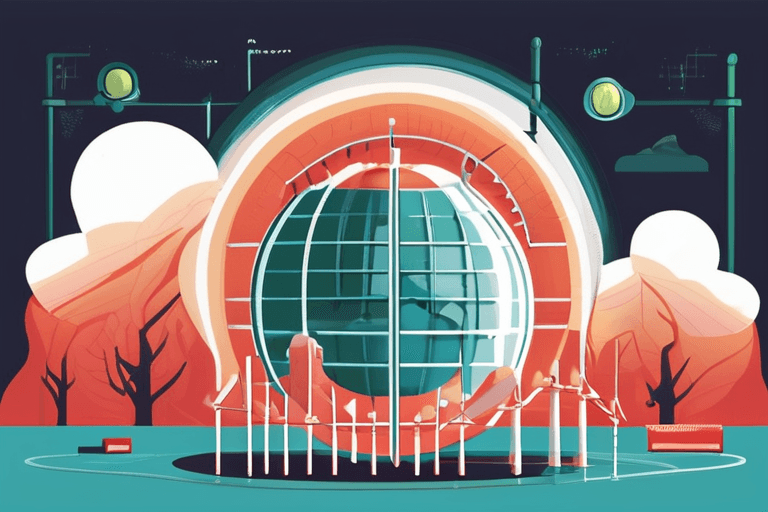
In medical advancements, an "external lung" system kept a patient alive for 48 hours until a transplant, as reported by Nature News.















Discussion
AI Experts & Community
Be the first to comment