Artificial intelligence, the Winter Olympics, and the planet Jupiter are all facing challenges, according to recent reports. While AI struggles with data delivery, the Olympics grapple with climate change, and Jupiter's size has been recalculated.
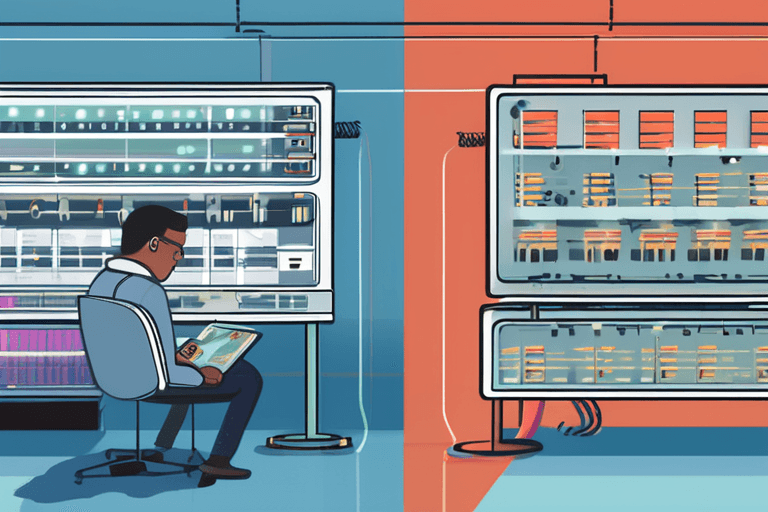
Enterprises investing billions in GPU infrastructure for AI workloads are finding that their expensive compute resources are often idle, according to VentureBeat. The bottleneck isn't the hardware itself, but the data delivery layer between storage and compute, starving GPUs of the information they need. "While people are focusing their attention, justifiably so, on GPUs, because they're very significant investments, those are rarely the limiting factor," said Mark Menger, solutions architect at F5. "They're capable of more work. They're waiting on data."
Meanwhile, the Winter Olympics are increasingly reliant on artificial snow due to climate change. Before the Winter Olympics kicked off, Cortina d'Ampezzo, the Dolomite town hosting alpine events, received fresh snow, easing earlier concerns, according to Time. However, organizers had already produced over 56 million cubic feet of fake snow to create the conditions athletes expect. Machine-made snow has been used by ski resorts for decades to combat unreliable weather conditions. Around 60% of the world's ski resorts now rely on snowmaking machines alongside natural snowfall, and the 2022 Beijing Winter Olympics relied on almost 100 artificial snow machines.
In other news, Jupiter's measurements have been recalculated using data collected by the Juno orbiter, according to Nature News. The planet's average radius is now calculated to be 69,886 kilometers.
The demand for green technology also has a dark side. As global demand for battery components rises, many resource-rich nations are intensifying mining efforts for key minerals, according to Nature News. Electronic devices have turned the metals used in batteries into strategic resources, and green technologies such as electric vehicles have accelerated the scramble for them.
















Discussion
AI Experts & Community
Be the first to comment