Tech giant Discord is implementing global age verification measures, requiring users to verify their age through face scans or ID uploads, a move impacting its over 200 million users and starting in early March, according to multiple news sources. This initiative aims to create a safer online environment, particularly for teenagers, by restricting access to adult content and direct messages from unknown users.
The new system, designed to protect younger users, will set default teen-appropriate experiences and require age verification to access sensitive content. While praised for its focus on safety, experts suggest the implementation could face challenges and potentially influence user numbers, according to a BBC Technology report.
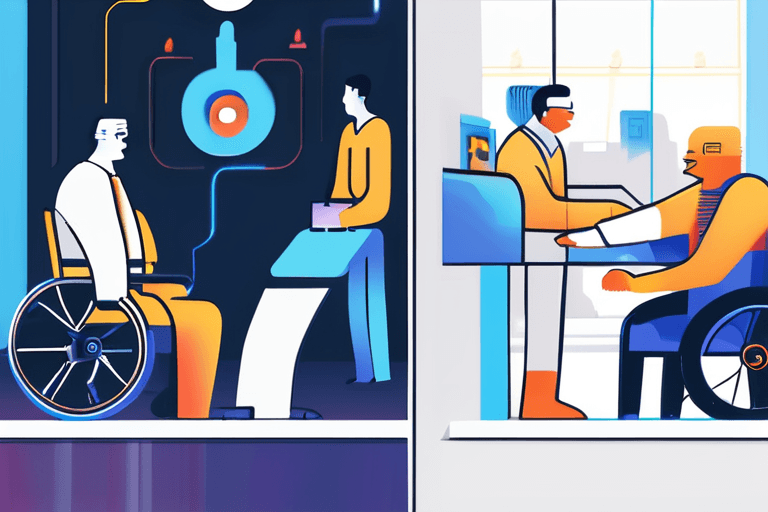
Simultaneously, a diverse range of global events are unfolding. The Trump administration is cutting $600 million in public health funds from several states, impacting programs addressing critical health issues, according to multiple sources. Other developments include efforts to boost birth rates, concerns about AI's medical advice, and profiles of scientists like Josh Miele, a blind inventor of adaptive technology, as reported by Nature News. Miele, a 2021 MacArthur Foundation genius fellow, has dedicated his career to making life more user-friendly for the disability community, as detailed in a Nature News profile. In the 1990s, before the invention of GPS, Miele, then a student at the University of California, Berkeley, would navigate unfamiliar areas by feeling the embossed letters on street signs.
The push for green technology, such as electric vehicles, is also driving increased demand for battery components, leading to intensified mining efforts for key minerals in resource-rich nations like Indonesia, according to Nature News. This has raised concerns about the environmental and social costs associated with the extraction of metals like cobalt, copper, and tungsten, particularly in the Democratic Republic of the Congo.
In other news, a 2024 poll from the American Psychiatric Association found that nearly half of Americans say their mood takes a dip in the winter, and 5 percent experience an acute version of these feelings called seasonal affective disorder, according to Vox.


















Discussion
AI Experts & Community
Be the first to comment