Here's a news article synthesizing the provided information:
International Developments Mark a Tumultuous Week
Several international events dominated headlines this week, including trade negotiations, political tensions, and humanitarian crises. The United States reached a trade agreement with Bangladesh, while tensions flared between the US and Canada. Simultaneously, a humanitarian crisis deepened in South Sudan, and Hong Kong's leader celebrated a controversial sentencing.
Bangladesh secured exemptions for some clothing and textiles made with US-produced materials, according to BBC Business. As part of the deal, Washington will also cut its tariffs on Bangladeshi goods from 20 to 19 percent, in exchange for Dhaka opening its markets to a wider range of American goods. The apparel industry forms the backbone of Bangladesh's economy, the world's second-largest exporter of clothes after China, according to BBC Business. The South Asian country had been in long-drawn talks with the White House after President Donald Trump imposed sweeping tariffs on global trading partners.
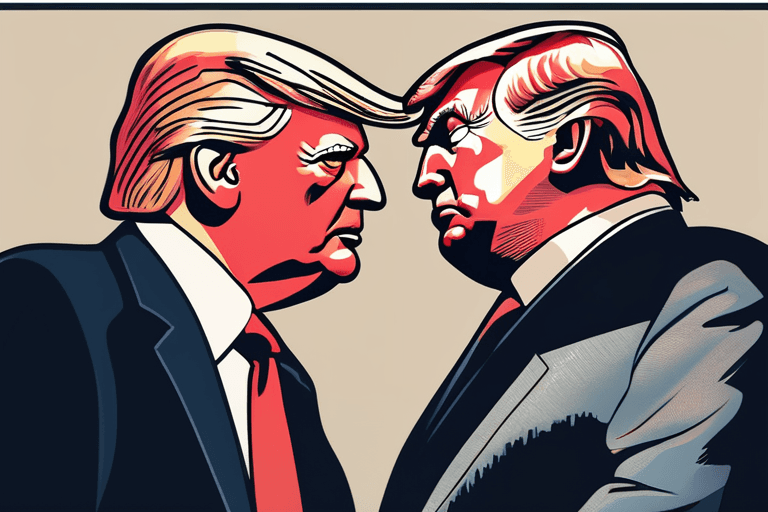
Meanwhile, US President Trump threatened to block a new bridge connecting the US and Canada, according to The Guardian. The president stated the Gordie Howe Bridge would only open when the US is fully compensated. This came as Democrats prepared to force a vote in the US House on Trump's tariffs on Canada.
In South Sudan, a humanitarian crisis deepened as renewed violence displaced hundreds of thousands, according to Al Jazeera. Displaced civilians have been waiting for aid at a remote camp after fighting between government forces and opposition fighters. "We're in darkness," said Ajok Ding Duot, who fled fighting with her family.
In Hong Kong, the city's leader celebrated the 20-year jail sentence given to British pro-democracy campaigner Jimmy Lai, according to Sky News. John Lee was defiant in the face of criticism from Western nations, including the UK, following the 78-year-old's sentencing. China also released a white paper outlining plans to further enhance a national security law, which has been used to clamp down on free speech and dissent in Hong Kong.









Discussion
AI Experts & Community
Be the first to comment