Hong Kong democracy advocate Jimmy Lai was sentenced to 20 years in prison on Monday, sparking international outcry and a clash between China and the United Kingdom over his citizenship. Meanwhile, in other international developments, Venezuela's Congress prepared to vote on an amnesty law, Cuba faced a fuel shortage, Kenya confronted Russia over the recruitment of its citizens for the war in Ukraine, and former President Donald Trump threatened to block the opening of a bridge connecting the U.S. and Canada.
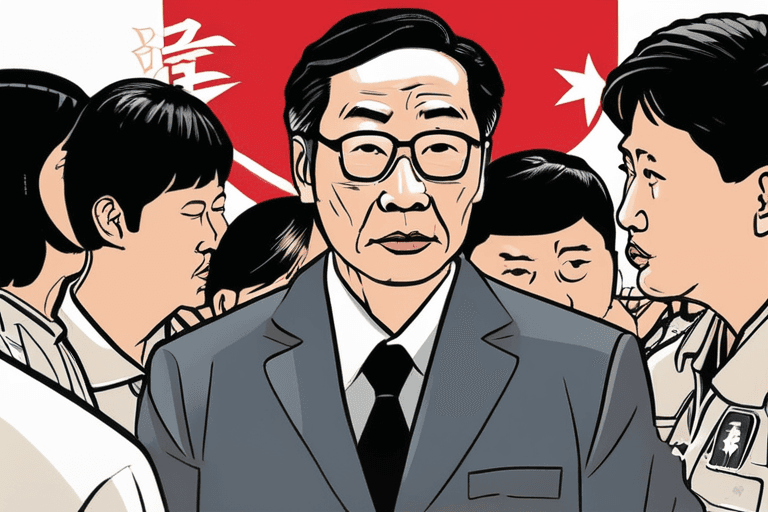
Lai, a 78-year-old media magnate, was found guilty in December of conspiracy to collude with foreign forces and conspiring to publish seditious articles, according to Fortune. His co-defendants received prison terms ranging from six years and three months to 10 years. The UK, which considers Lai a British citizen, called for his release. However, China's Foreign Ministry maintained that Lai is a Chinese citizen and urged countries to respect its sovereignty.
In Venezuela, the Congress was set to vote on an amnesty law that would free hundreds of political prisoners, NPR Politics reported. This move came weeks after the ousting of Nicolás Maduro, as Venezuelans cautiously tested new freedoms.
Cuba was grappling with a fuel shortage that grounded flights during peak tourist season, NPR Politics also reported. The shortage was attributed to the tightening of oil supplies due to pressure from the Trump administration.
Kenya was preparing to confront Russia regarding the recruitment of Kenyan citizens to fight in the war in Ukraine, according to the NY Times. Kenya called the practice "unacceptable" and estimated around 200 Kenyans had been recruited. The country had shut down illegal recruitment agencies and would urge Moscow to sign a deal banning the conscription of Kenyan soldiers.
In a separate development, former President Donald Trump threatened to block the opening of the Gordie Howe International Bridge connecting Detroit, Michigan, to Windsor, Ontario, Time reported. Trump raised concerns about Canada's treatment of the United States, claiming Canada would own both sides of the bridge and complaining about the lack of U.S. content in its construction. He also cited issues with Ontario's refusal to stock some U.S.-produced alcoholic products and Canada's tariffs on dairy products.









Discussion
AI Experts & Community
Be the first to comment