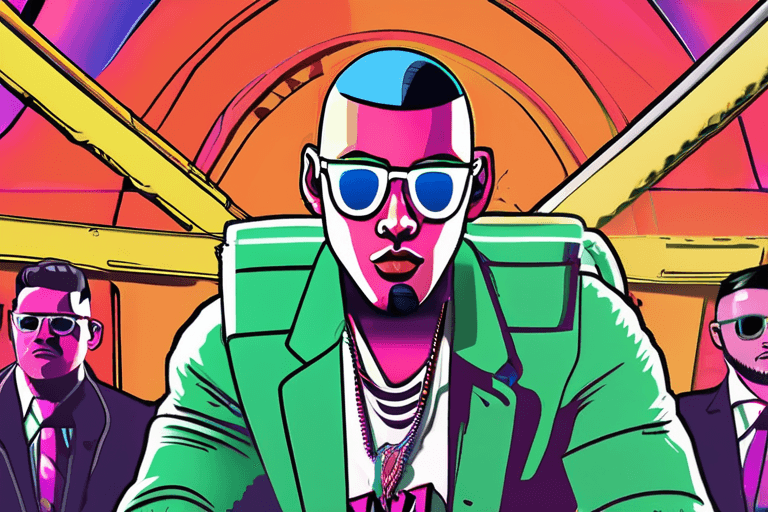
Bad Bunny's Super Bowl halftime show sparked a cultural conversation, with the performance and its reception highlighting ongoing debates about inclusivity and cultural representation, according to multiple news sources. The show, which took place on February 8, 2026, at Levi's Stadium in Santa Clara, California, became a focal point for discussions about "wokeness" and the intersection of culture and politics.
The official Democratic Party X account shared a picture of Bad Bunny in front of the American and Puerto Rican flags, accompanied by the text "All-American halftime with Bad Bunny," which, according to Source 1, did not sit right with some. This response underscored the show's potential to ignite controversy and reflect broader cultural tensions.
The Super Bowl itself, Super Bowl 60, also saw a focus on advertising, with brands spending millions on commercials. Source 4 noted that the Seattle Seahawks won the game, but the real competition was in advertising. Successful ads, such as Google's Gemini spot, effectively used humor or emotion to highlight product utility, while others, such as Coinbase's, failed to clearly communicate their brand and purpose. AI-related products were a prominent theme in this year's commercials, according to both CBS News sources.
The halftime show's reception was part of a larger trend. Source 2 mentioned a satirical response to conservative backlash against the show's inclusivity. This highlights how the performance became a symbol in the ongoing culture wars.
The news landscape surrounding the Super Bowl also included other significant developments. Source 2 also mentioned French President Macron's push for European financial integration and a controversial campaign to boost birth rates. Source 3 highlighted health concerns related to sedentary lifestyles, the need for improved weather warning systems, and progress toward a universal flu vaccine.














Discussion
AI Experts & Community
Be the first to comment