Amidst a backdrop of global challenges, from climate change to conflict, stories of resilience and adaptation are emerging across various sectors. From animal sanctuaries to historical reconstructions, individuals and institutions are responding to adversity in unique ways.
In Far North Queensland, Australia, the Tolga Bat Hospital provides care for injured and orphaned flying foxes, according to Vox. Volunteer Mia Mathur was observed bottle-feeding an orphan spectacled flying fox. The hospital offers a haven for these creatures, highlighting the impact of climate change and biodiversity loss on wildlife.
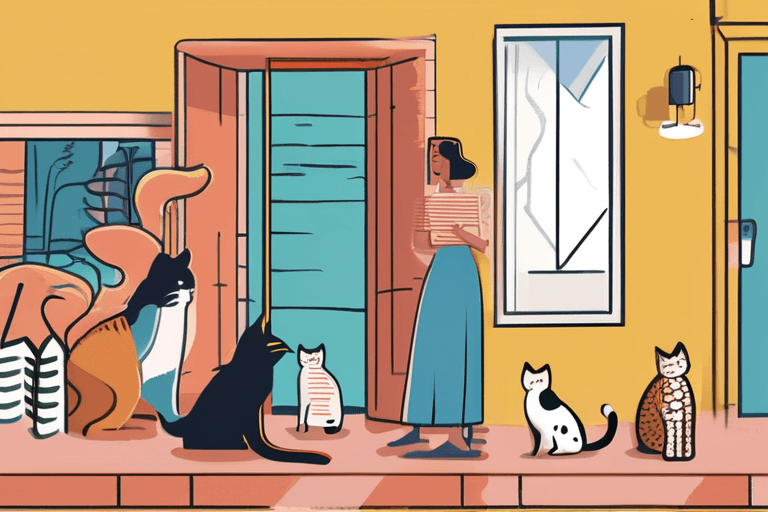
Meanwhile, the American University of Beirut continues its long-standing tradition of providing sanctuary for approximately 1,600 cats, as reported by NPR News. This program, which began during the Lebanese Civil War, reflects the university's historical role as a refuge. It offers care for animals displaced by conflict in a region marked by instability and displacement, demonstrating a cultural response to the challenges faced by both humans and animals.
In the UK, a health trust advertised a now-closed nursing position focused on supporting families involved in "close-relative marriage," according to information from Fox News. The role aimed to promote genetic testing and awareness, and help families make informed reproductive decisions, reflecting the NHS's efforts to address health inequalities related to consanguineous relationships.
Finally, in a separate development, scientists reconstructed the face of a man believed to be a "vampire" from 16th-century Croatia, whose remains were mutilated after death to prevent his return, according to Sky News. The man, discovered in a fortress, had been beheaded and reburied face down, and analysis suggests he experienced a violent life marked by conflict and facial disfigurement.















Discussion
AI Experts & Community
Be the first to comment