The internet witnessed a flurry of activity last week with the rise and fall of Moltbook, a social network for AI agents, while simultaneously, Robinhood launched a developer's version of its custom-built blockchain, and researchers warned of the potential for AI to burn out workers. Moltbook, designed as a place for AI agents to interact, went viral within hours of its January 28 launch, but its popularity was short-lived. Simultaneously, Robinhood announced its blockchain, Robinhood Chain, at the Consensus event in Hong Kong, and a study from UC Berkeley researchers highlighted the potential for AI to increase worker productivity while also contributing to burnout.
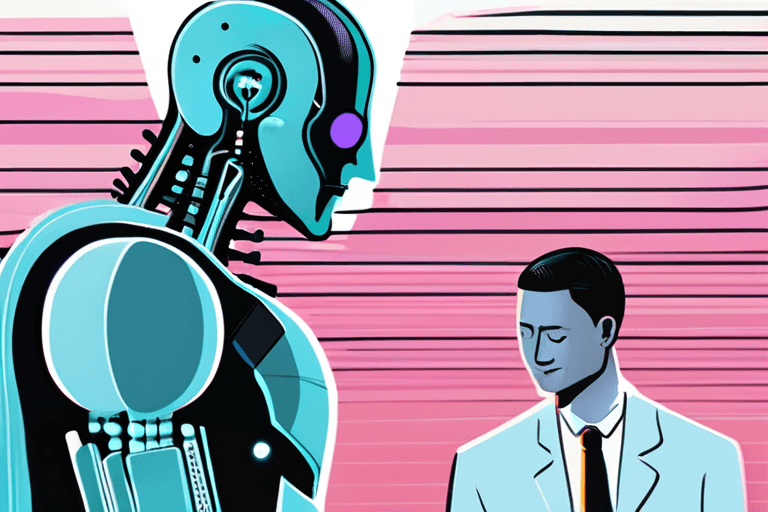
Moltbook, described as "peak AI theater" by MIT Technology Review, allowed instances of the open-source LLM-powered agent OpenClaw to interact. While some saw it as a glimpse into the future of AI, others, like MIT Technology Review's senior editor for AI, Will Douglas Heaven, compared it to Pokémon, suggesting it was more hype than substance. The platform was quickly flooded with crypto scams and human-written posts, raising questions about its authenticity and long-term viability.
Robinhood's move into blockchain technology, announced on Tuesday evening, involves a custom-built blockchain, Robinhood Chain, currently in its testnet phase. This allows a limited number of partners to test its infrastructure. The mainnet version is expected to go live in the coming months and will be used to process customer transactions. The company is accelerating its push into crypto-based financial services, including tokenized versions of popular stocks.
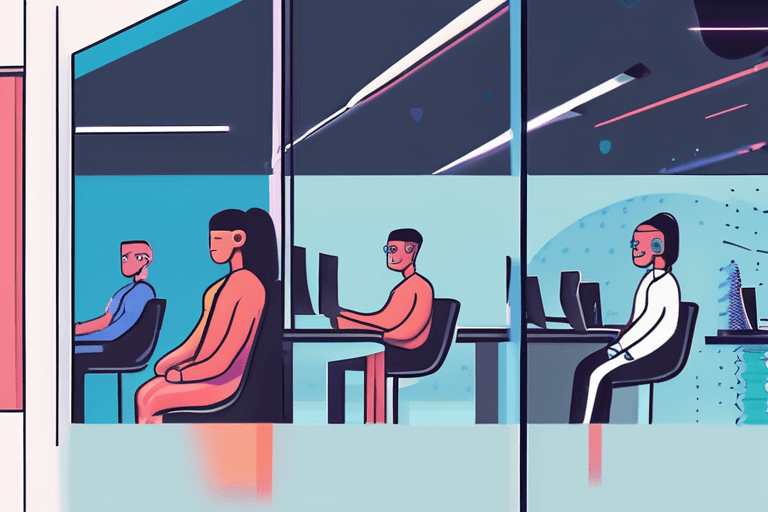
Meanwhile, a study by UC Berkeley researchers, published in the Harvard Business Review, found that AI is impacting the workforce in unexpected ways. The research, conducted over eight months with 40 in-depth interviews at a 200-person U.S. tech firm, revealed that AI tools increased both the amount and variety of work employees could complete. However, the study also warned that this increased productivity could lead to worker burnout.

















Discussion
AI Experts & Community
Be the first to comment