Researchers recently uncovered evidence that Romans used human waste in their medical treatments, while also facing scrutiny for advertising practices and the potential harms of AI and social media. These findings come as a Disney advertisement was banned for being too disturbing and a trial began examining the mental health effects of social media.
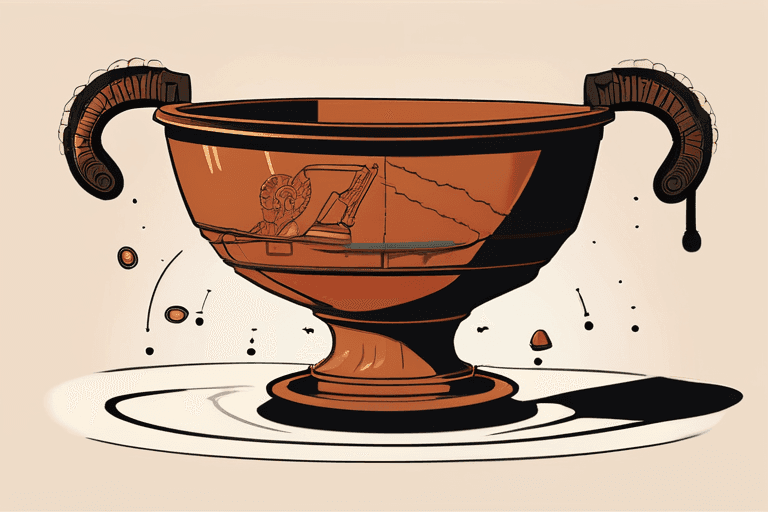
Archaeologists discovered a vessel in Pergamon, a city conquered by the Romans in 133 B.C., that contained "dark brownish flakes" identified as fecal matter, according to Fox News. This discovery provides the first physical evidence of the practice, causing "immense excitement" among researchers.
Meanwhile, the world's largest social media companies are facing a landmark trial in California. Lawyers for the plaintiff, identified as "K.G.M.," argued that Instagram and YouTube created "addiction machines" designed to addict children, as reported by BBC Technology. The plaintiff's lawyer, Mark Lanier, stated, "These companies built machines designed to addict the brains of children, and they did it on purpose." Lawyers for Meta and YouTube countered that the addiction stemmed from other issues.
Children are also being bombarded with advertisements for weight loss products online, according to a report by the children's commissioner for England, as reported by BBC Business. Dame Rachel de Souza said the posts were "immensely damaging" to young people's self-esteem and called for a ban on social media advertising to children.
In other news, an AI chatbot study from the University of Oxford found that these tools give inaccurate and inconsistent medical advice, potentially posing risks to users, according to BBC Technology. Dr. Rebecca Payne, lead medical practitioner on the study, said it could be "dangerous" for people to ask chatbots about their symptoms.
Finally, the Advertising Standards Authority (ASA) banned a Disney advertisement for the Predator Badlands film, which featured a severed body, due to its disturbing nature, according to BBC Business. The ASA found the advert was likely to frighten and cause distress to children. Disney argued the body was that of a robot.
















Discussion
AI Experts & Community
Be the first to comment