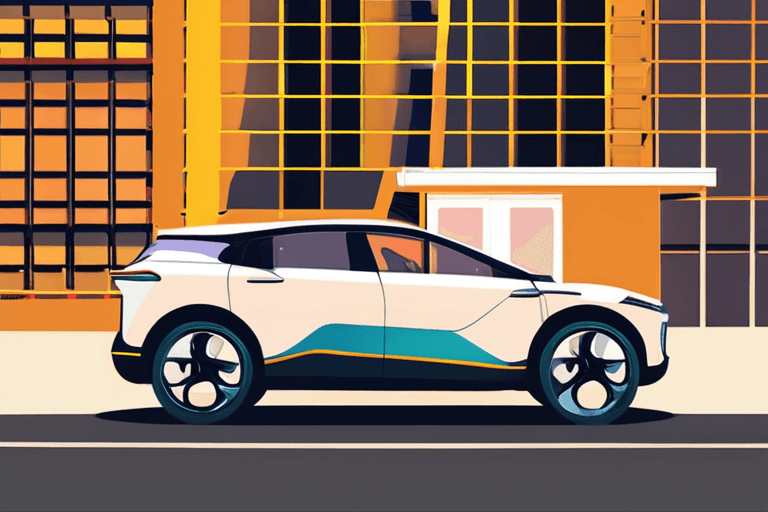
Electric vehicles could become economically competitive in Africa sooner than previously anticipated, potentially by 2040, according to a new analysis. This is despite existing challenges such as unreliable grids, limited charging infrastructure, and a lack of affordable financing, as reported by MIT Technology Review.
The economic viability of EVs in Africa is building as battery and vehicle costs continue to decrease. Electric two-wheelers, cars, larger automobiles, and even minibuses could compete in most African countries, according to the MIT Technology Review. Some previous analyses had suggested that fossil-fuel vehicles would dominate in Africa through at least 2050.
In other news, Robinhood announced the launch of a developer's version of its custom-built blockchain, Robinhood Chain, on Tuesday evening. This move, revealed at the Consensus event in Hong Kong, is part of the company's broader push into crypto-based financial services, including tokenized versions of popular stocks, according to Fortune. The testnet phase of Robinhood Chain is currently live, allowing a limited number of partners and participants to test its infrastructure and introduce experimental features. The mainnet version is expected to go live in the coming months to process customer transactions.
Meanwhile, Google's AI head, Demis Hassabis, sold his AI company, DeepMind, to Google in January 2014, rebuffing a higher offer from Meta's Mark Zuckerberg, according to Fortune. This decision led to Elon Musk launching a rival company with Sam Altman: OpenAI.
In a separate story, Dorceta Taylor, who earned a doctoral degree from the Yale School of Forestry & Environmental Studies in 1991, created the first comprehensive report for monitoring racial, gender, and socioeconomic diversity in 2014, according to Nature News. This series celebrates individuals who have fought racism in science and champion inclusion.




















Discussion
AI Experts & Community
Be the first to comment