Tech Roundup: Presidents Day Deals, Smart Home Updates, and EV Predictions
February 11, 2026 - Several significant developments in the tech world were announced today, including the rollout of Presidents Day deals, a mandatory update for Apple's smart home architecture, the launch of a more secure AI assistant, and projections for the future of electric vehicles in Africa.
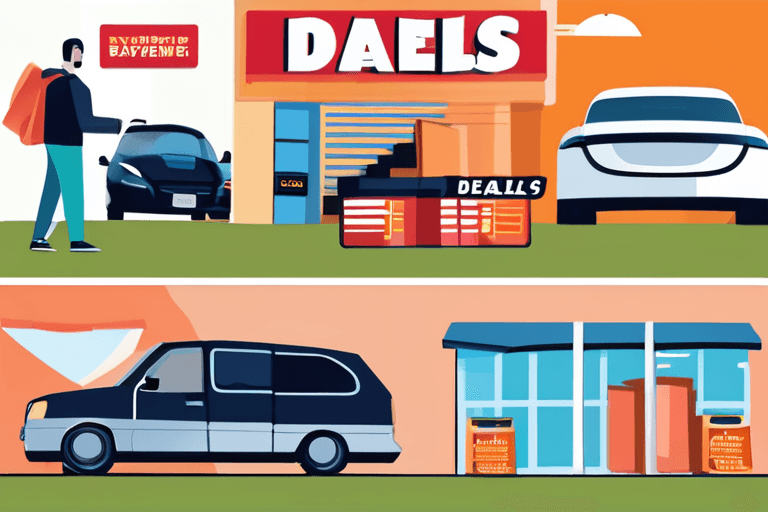
Retailers are offering substantial discounts ahead of Presidents Day, with The Verge reporting on a roundup of deals on various gadgets. According to The Verge, consumers can find significant savings on earbuds, speakers, TVs, smart home tech, and other gadgets.
Meanwhile, Apple is enforcing a mandatory update to its Home architecture for smart home users. Ars Technica reported that the new architecture, initially announced in 2022, aims to improve performance and reliability. While the update was initially rolled out in iOS 16.2, some users experienced issues, leading Apple to pause the rollout. The update is now mandatory as of today.
In other tech news, a popular power bank is currently on sale. Wired reported a $30 discount on the Anker Laptop Power Bank, bringing the price down to $105. The power bank, with a 25,000 mAh capacity, can charge a phone multiple times.
On the software front, a more secure version of the open-source AI assistant OpenClaw has been released. VentureBeat reported that NanoClaw, developed by Peter Steinberger, addresses security concerns associated with the original "permissionless" architecture of OpenClaw. The original OpenClaw, released in November 2025, gained rapid adoption, but its architecture raised alarms among developers and security teams. NanoClaw, a lighter and more secure version, is now available under an open-source MIT license.
Finally, a new analysis suggests electric vehicles (EVs) could become economically competitive in Africa sooner than expected. MIT Technology Review reported that with solar off-grid charging, EVs could be cheaper to own than gas vehicles by 2040. Despite current barriers like unreliable grids and limited infrastructure, the falling costs of batteries and EVs are driving this trend. Electric two-wheelers, cars, and larger vehicles could compete in most African countries.













Discussion
AI Experts & Community
Be the first to comment