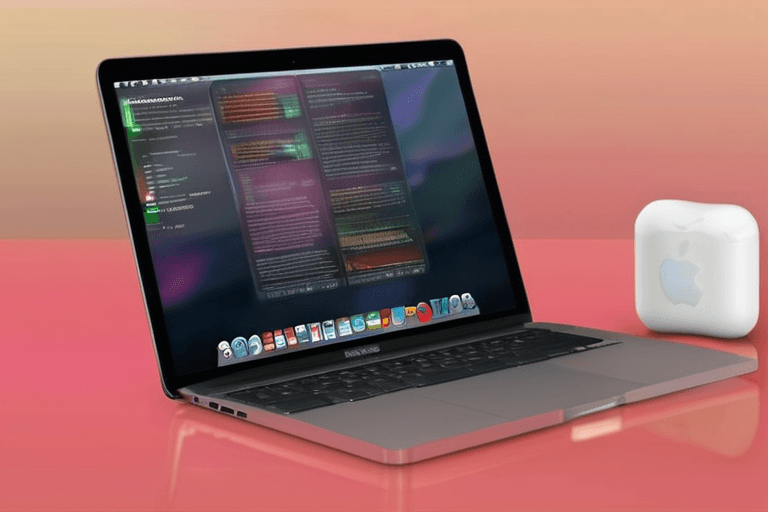
Apple's highly anticipated revamp of Siri has been delayed yet again, with some features now expected to roll out as late as September, according to a report from Bloomberg's Mark Gurman. The delay comes as the tech giant reportedly encountered difficulties during software testing. In other tech news, Uber Eats launched an AI-powered grocery shopping assistant, while Microsoft addressed critical zero-day vulnerabilities in Windows and Office that hackers are actively exploiting. Meanwhile, xAI, Elon Musk's AI venture, saw a wave of departures, and Glean's CEO discussed the evolving landscape of enterprise AI.
The new Siri, which Apple had initially promised would launch with the iOS 26.4 update in March, is now slated for a more gradual rollout. Some features may appear in the May iOS update, while others are postponed until the release of iOS 27 in September. The delay suggests Apple is still working to refine the AI-powered digital assistant.
Uber Eats introduced "Cart Assistant," a new AI feature designed to streamline grocery shopping. The beta version of the chatbot is now available in the app. Users can input a list or upload an image, and the assistant will automatically add items to their basket. The feature uses previous orders to prioritize familiar items, as noted by Uber Eats.
Microsoft has released fixes for security vulnerabilities in Windows and Office, which hackers are actively exploiting. The exploits are one-click attacks, meaning a hacker can gain access to a victim's computer with minimal user interaction. At least two flaws can be exploited by tricking someone into clicking a malicious link on their Windows computer, and another can result in a compromise upon opening a malicious Office file. Microsoft stated that details of how to exploit the bugs have been published, potentially increasing the chance of hacks.
Elon Musk addressed a wave of departures from xAI, including two more co-founders who left this week, bringing the total to six out of the original 12. At an all-hands meeting, Musk suggested the exits were about fit, not performance. "Because we've reached a certain scale, we're organizing the company to be more effective at this scale," he said, according to The New York Times. On X, Musk clarified that these departures weren't voluntary, stating that xAI was reorganized to improve speed of execution.
Glean, an AI work assistant, is aiming to connect to internal systems, manage permissions, and deliver intelligence wherever employees work. Glean's CEO, Arvind Jain, discussed how enterprises are thinking about AI architecture at Web Summit Qatar. The startup raised $150 million last year at a $7.2 billion valuation.





















Discussion
AI Experts & Community
Be the first to comment