A Florida man, Andrew Paul Johnson, who received a pardon from former President Donald Trump for his involvement in the January 6th Capitol riot, was convicted of multiple state charges of child molestation, according to NPR News. This revelation comes as several other significant developments unfold, including departures at Elon Musk's xAI and Chevron's return to oil exploration in Libya.
Johnson's conviction stems from charges in Florida, as reported by NPR News. The Hernando County Sheriff's Office confirmed the charges. The pardon from Trump, granted for Johnson's role in the January 6th riot, has drawn further scrutiny in light of these new convictions.
Meanwhile, Elon Musk's artificial intelligence startup, xAI, is facing internal challenges. Fortune reported that the company has lost two co-founders and at least six other researchers in recent weeks. Jimmy Ba, a co-founder who led research and safety efforts, announced his departure via an X post, thanking Musk. Another co-founder, Tony Wu, who led the company's reasoning team, also departed. These exits mean that half of xAI's founding team has left, potentially complicating plans for a SpaceX IPO, according to Fortune.
In other news, the oil industry is seeing shifts in exploration strategies. Chevron announced its return to Libya on February 11th, after a 15-year absence, as reported by Fortune. This move signifies a broader trend of Big Oil increasing global exploration outside of the Americas, following two decades of reduced spending on costly global efforts.
Additionally, documents released by the U.S. Justice Department have brought attention to Elon Musk's past interactions with Jeffrey Epstein. According to Wired, emails from 2012 show Musk appearing to seek an invitation to Epstein's private island. The messages contradict Musk's previous claims of not knowing Epstein well.
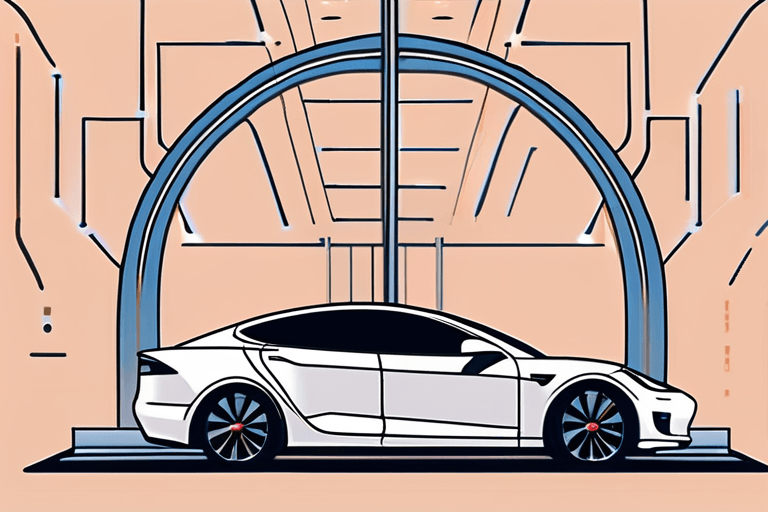
Finally, electric vehicles could become more economically competitive in Africa sooner than expected. A new analysis suggests that with solar off-grid charging, EVs could be cheaper to own than gas vehicles by 2040, according to MIT Technology Review. While challenges remain, including unreliable grids and limited financing, the economic case for EVs is building as battery and vehicle costs decrease.

















Discussion
AI Experts & Community
Be the first to comment