Electric vehicles could become economically competitive in Africa sooner than previously anticipated, potentially by 2040, according to a new analysis. This development comes as Big Oil increases global exploration efforts, including Chevron's return to Libya after a 15-year absence, while the U.S. national debt is projected to reach a record 120% of GDP by 2030. Meanwhile, the relationship between gold prices and interest rates has become unpredictable, and a Venezuelan opposition leader was recently released from detention.
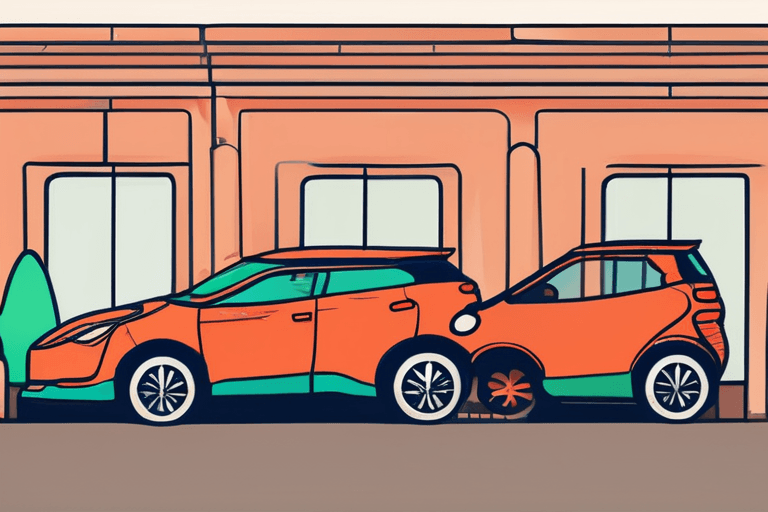
The economic viability of electric vehicles in Africa is driven by the decreasing costs of batteries and vehicles, coupled with the potential for solar-powered off-grid charging, according to MIT Technology Review. The analysis suggests that electric two-wheelers, cars, and even minibuses could be competitive in most African countries. However, significant hurdles remain, including an unreliable grid, limited charging infrastructure, and a lack of access to affordable financing. Some previous analyses had suggested that fossil-fuel vehicles would dominate in Africa through at least 2050.
Simultaneously, Big Oil is shifting its focus back to global exploration outside of the Americas, as reported by Fortune. Chevron's return to Libya, announced on February 11, marks a notable move after two decades of reduced global exploration spending. The industry's biggest producers had previously concentrated on the U.S. shale boom, but are now expanding their search for oil and gas.
Financial markets are also facing uncertainty. The traditional inverse correlation between gold prices and real interest rates has broken down, according to Apollo chief economist Torsten Slok, as reported by Fortune. Slok views this as a sign of investor jitters about the economy. "When the Fed started raising interest rates in 2022, the strong correlation between gold and real rates broke down," he wrote in a blog post. Gold has historically been considered a safe-haven asset.
The United States is on track to break its record for national debt, with projections indicating it will reach 120% of GDP by 2030, according to a Congressional Budget Office (CBO) report, as reported by Fortune. Fiscal watchdogs warn that such high debt levels could be detrimental to sustainable economic growth and national security. The U.S. currently has a federal budget deficit of $1.9 trillion and a national debt worth 101% of GDP.
In Venezuela, opposition leader Jesús Armas was recently released from detention, as reported by NPR. Armas, who was held at a notorious detention center, expressed a sense of hope following his release.




















Discussion
AI Experts & Community
Be the first to comment