Instagram's head, Adam Mosseri, testified in a California court this week, defending the platform against claims it caused mental health damage to minors. Mosseri, who has led Instagram for eight years, argued that even seemingly excessive use of social media does not equate to addiction, according to BBC Technology. The landmark trial, expected to last six weeks, is a test of legal arguments aimed at holding tech firms accountable for the impacts on young people.
Meanwhile, the U.S. Federal Trade Commission (FTC) has expressed concerns over allegations that Apple News is suppressing right-wing content. FTC chair Andrew Ferguson, in a letter to Apple CEO Tim Cook, cited reports from the Media Research Center, a right-leaning think tank, which accused Apple of excluding right-leaning outlets from the top 20 articles in the Apple News feed, as reported by TechCrunch. Ferguson stated, "I abhor and condemn any attempt to censor content for ideological reasons."
In other news, Spotify revealed that its best developers haven't written a line of code since December, thanks to the use of AI. Spotify co-CEO Gustav Söderström shared this information during the company's fourth-quarter earnings, as reported by TechCrunch. The company has been using AI to accelerate development, shipping more than 50 new features and changes to its streaming app throughout 2025. Recent launches include AI-powered Prompted Playlists, Page Match for audiobooks, and About This Song. Engineers at Spotify are using an internal system called Honk to speed up coding and product velocity.
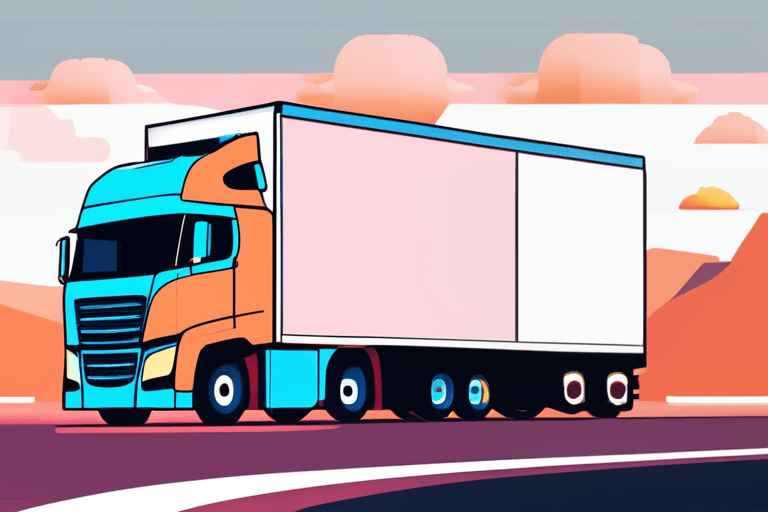
Also, Aurora's self-driving trucks can now travel nonstop on a 1,000-mile route between Fort Worth and Phoenix, exceeding what a human driver can legally accomplish, according to TechCrunch. The driverless trucks complete the journey in about 15 hours, offering positive financial implications for Aurora and other companies. Human truck drivers take longer due to federal regulations limiting driving time.
Finally, the Trump administration is ending its immigration crackdown in Minnesota, which led to thousands of arrests, violent protests, and the fatal shootings of two U.S. citizens, according to Euronews. The operation, described as the Department of Homeland Security's "largest immigration enforcement operation ever," proved highly controversial. Border czar Tom Homan announced the end of the operation.













Discussion
AI Experts & Community
Be the first to comment