A new law in São Paulo, Brazil, will allow pets to be buried alongside their owners, inspired by a dog that remained by its owner's grave for a decade. Meanwhile, in Washington, D.C., self-driving car company Waymo is urging city officials to pass new regulations, and North Korean leader Kim Jong Un is reportedly preparing to name his daughter as his successor. These stories, along with a US judge's decision regarding Senator Mark Kelly and the growing threat of AI-enhanced cybercrime, highlight the diverse range of current events.
The São Paulo law, informally dubbed the "Bob Coveiro (the Gravedigger) Law," was signed this week by Governor Tarcísio de Freitas, according to The Guardian. The law recognizes the emotional bond between people and their pets, a sentiment reflected in the story of a dog named Bob Coveiro who stayed by his owner's grave for ten years.
In the United States, a judge blocked the Department of Defense from punishing Senator Mark Kelly, a military veteran, for critical statements he made against former President Donald Trump. The Defense Department had sought to strip Kelly of his retirement pension and military rank, Al Jazeera reported.
Across the globe, North Korean leader Kim Jong Un is reportedly preparing to name his daughter as the next leader of North Korea, according to Sky News. The announcement could come at the country's largest political gathering later this month. Experts suggest the girl, believed to be named Kim Ju Ae, could be appointed first secretary of the ruling party.
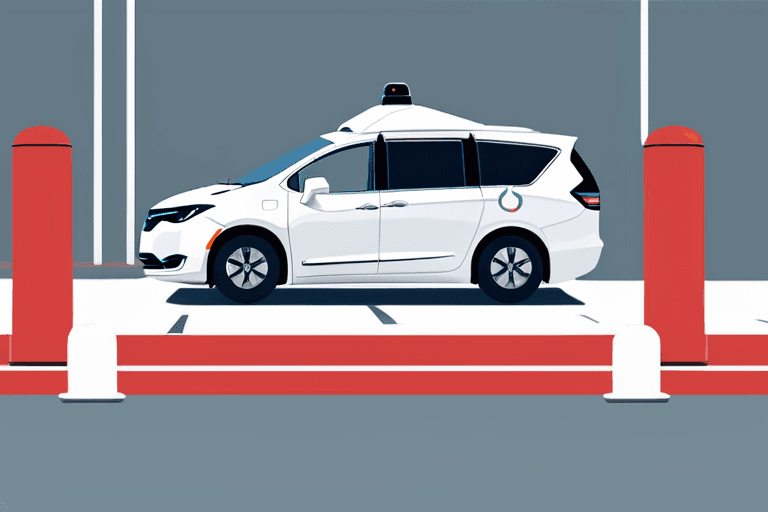
In Washington, D.C., Waymo, a self-driving car developer, is pushing city officials to pass new regulations allowing its robotaxis to operate in the district without a driver, as reported by Wired. The company has been lobbying local lawmakers, including Mayor Muriel Bowser, for over a year. Waymo has previously stated it will begin offering driverless rides in D.C. this year.
Finally, the MIT Technology Review reported that AI is already making online crimes easier. Hackers are using AI tools to reduce the time and effort required to orchestrate attacks, lowering the barriers for less experienced attackers. Some experts warn that AI is on the brink of being able to carry out fully automated attacks, while others emphasize the immediate risks posed by AI, which is already speeding up and increasing the volume of scams.


















Discussion
AI Experts & Community
Be the first to comment