The international landscape is experiencing significant shifts, with developments ranging from political victories to escalating conflicts and evolving geopolitical strategies. The Bangladesh Nationalist Party (BNP) secured a majority victory in the country's first election since the 2024 uprising, while the Munich Security Conference warned of increasing global instability, and the Sudanese Foreign Minister accused external actors of fueling the ongoing civil war. These events, alongside claims of US economic manipulation in Iran, highlight a complex and dynamic global environment.
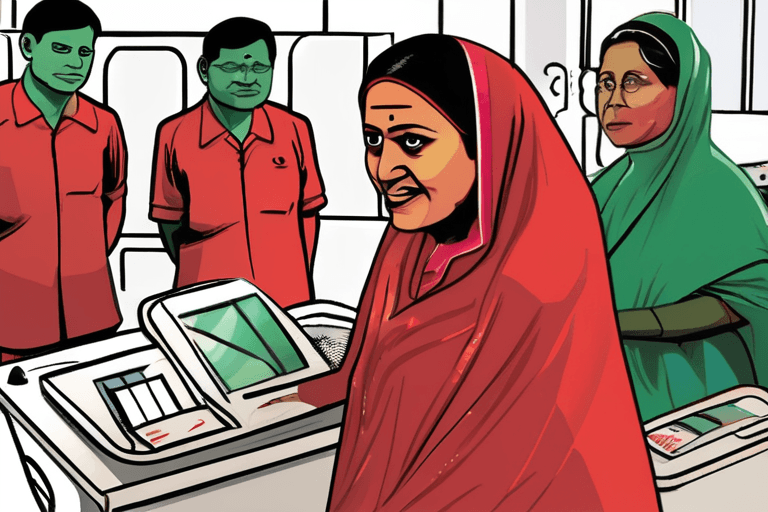
The BNP, led by prime ministerial candidate Tarique Rahman, who returned to Bangladesh in December after 17 years in self-exile, won a two-thirds majority, according to Sky News. This victory has the potential to bring stability following the ousting of former prime minister Sheikh Hasina.
Meanwhile, the Munich Security Conference, scheduled for February 13-15, is drawing attention to the fragility of the international order. A new report, as reported by Euronews, warns of growing pressure on alliances and intensifying geopolitical tensions. Approximately 65 heads of state and government, along with 450 representatives from global politics, academia, and the defense industry, are expected to attend the conference.
In Sudan, Foreign Minister Mohieldin Salem stated that his government is protecting Africa from external plots by confronting foreign interference in the country's civil war, now in its third year. He called on the African Union (AU) for support in stabilizing the country, according to Al Jazeera.
Adding to the complexity, the United States Treasury Secretary Scott Bessent claimed that Washington engineered a dollar shortage in Iran to trigger protests, as reported by Al Jazeera. This alleged economic manipulation led to some of the largest antigovernment protests since the 1979 Islamic revolution.
Furthermore, the Munich Security Conference is taking place in a context where the threat from Russia is becoming increasingly real, according to an opinion article in Euronews. The article suggests that Europe could secure its defense independently in the future, even without the US.















Discussion
AI Experts & Community
Be the first to comment