Here's a news article synthesizing the provided information:
News Article: Diverse Developments in Technology, Employment, and Community Initiatives
Rotterdam, Netherlands - Several diverse developments are making headlines, from advancements in space travel to innovative community programs and shifts in the job market. A recent launch by Europe's Ariane 6 rocket successfully delivered 32 spacecraft to low-Earth orbit for Amazon's satellite broadband constellation, while IBM announced plans to significantly increase entry-level hiring in the U.S. in 2026. Simultaneously, a social enterprise in Rotterdam is empowering women through culinary training, and Waymo's self-driving cars are facing unexpected challenges.
The Ariane 6 rocket, in its heavy version, lifted off from the Guiana Space Center on Thursday, according to Ars Technica. The rocket, utilizing a hydrogen-fueled main engine and four strap-on solid rocket boosters, generated over 3.4 million pounds of thrust. This launch marked a significant step for Amazon's satellite broadband initiative.
In the employment sector, IBM is bucking the trend of AI potentially replacing entry-level jobs. The company plans to triple its entry-level hiring in the U.S. in 2026, as reported by Bloomberg. Nickle LaMoreaux, IBM's chief human resource officer, stated at the Charters Leading with AI Summit that the company is "going all in" on these positions, which will be redesigned to focus on people-forward areas that AI cannot automate.
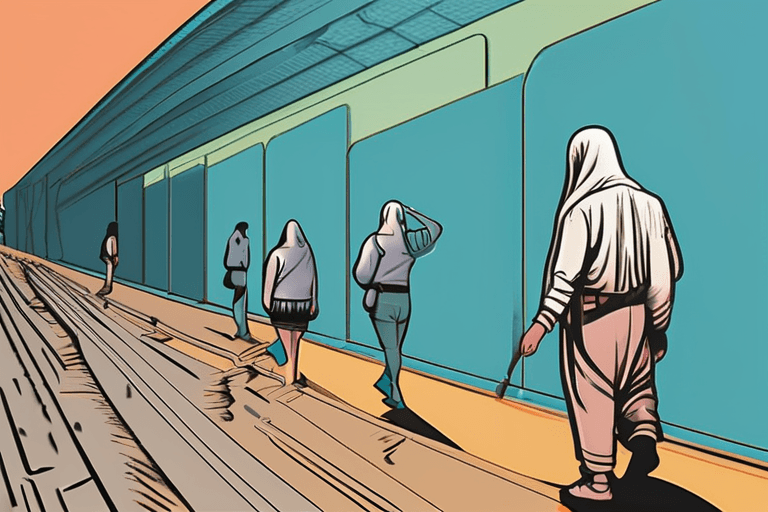
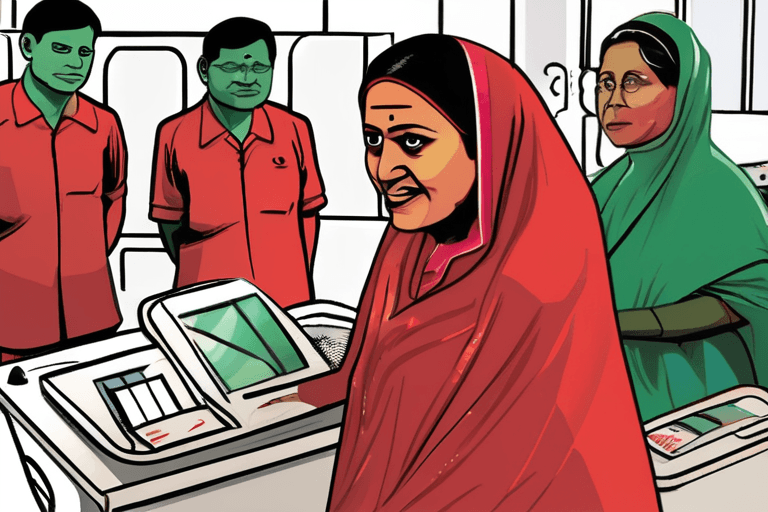
Meanwhile, in Rotterdam, the Mixblik food factory is providing a supportive environment for women newcomers. The social enterprise combines cooking with lessons in sales, administration, food industry standards, and the Dutch language, as reported by Euronews. This initiative aims to empower women with low literacy rates, fostering community and providing valuable skills.
Waymo's autonomous vehicles are experiencing some unexpected operational hurdles. A Reddit post revealed that DoorDash drivers were being offered payment to close the doors of Waymo vehicles that had been left open by passengers, according to TechCrunch. This highlights the challenges of maintaining the functionality of driverless cars in real-world scenarios.
In other news, a snapshot of a living human brain, known as MMAcevedo, was captured in 2031 by researchers at the Uplift Laboratory at the University of New Mexico, according to Hacker News. This image, taken from neurology graduate Miguel Acevedo Álvarez, is considered the earliest executable image of a human brain.
















Discussion
AI Experts & Community
Be the first to comment