Chinese AI Models Challenge Western Competitors, NASA Prepares for ISS Launch, and Robots Morph
In a week marked by advancements in technology, several significant developments have emerged. Chinese AI models are rapidly closing the gap with Western counterparts, a NASA crew is preparing for a launch to the International Space Station, and researchers have developed a shapeshifting robot.
Chinese companies have been making strides in the AI sector. According to MIT Technology Review, Chinese firms have repeatedly released AI models that match the performance of leading Western models at a fraction of the cost. Moonshot AI's Kimi K2.5, for example, nearly matched the performance of Anthropic's Claude Opus on some early benchmarks, but at one-seventh the price. Furthermore, Alibaba's Qwen family of models has overtaken Meta's Llama on Hugging Face, after ranking as the most downloaded model series in 2025 and 2026.
Meanwhile, NASA is preparing to launch four astronauts to the International Space Station (ISS) on February 13, 2026, replacing a crew that was evacuated early due to a medical issue. The launch will be carried out by a SpaceX Falcon 9 rocket with the company's Dragon spacecraft, according to Phys.org.
In other news, researchers have developed a robot that can morph into the shape of a variety of beasts. The four-legged robot, which can be 3D printed with customizable limbs, was developed by researchers at the University of Michigan.
In related news, Asimov (YC W26) is hiring individuals to collect egocentric video data for training humanoid robots. The role involves wearing a phone mounted on a lightweight headband while performing everyday tasks. Participants will receive a base pay of $20 per hour, with raises up to $25 after the first five hours of collected data, and bonus incentives based on the volume of data collected. The company provides all necessary equipment except for the phone.
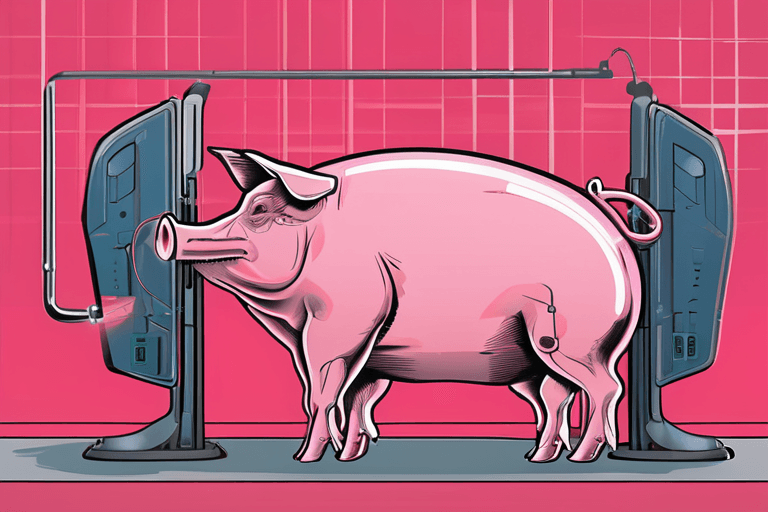
Finally, a correction was made to a Nature article regarding a pig-to-human kidney xenotransplant. The original article, published on November 13, 2025, contained errors in the figure labels, which have since been corrected in the HTML and PDF versions.

















Discussion
AI Experts & Community
Be the first to comment