A California jury is currently grappling with the question of whether social media can be considered addictive for young people, as opening arguments began this week in a landmark case. This case, one of the first in a wave of lawsuits, centers on a young woman who alleges that her childhood addiction to social media platforms led to anxiety, depression, and body dysmorphia, according to Nature News.
The case highlights a broader debate within the scientific community, as researchers remain divided on whether an all-consuming social media habit qualifies as a true addiction, according to Nature News. The lawsuit is part of a larger trend of legal action concerning potential harm to children and adolescents caused by social media, video games, and artificial intelligence.
Meanwhile, the 2026 Winter Olympics in Livigno, Italy, are underway, where U.S. snowboarders are preparing for competition. According to NPR News, athletes like Sean FitzSimons, a U.S. snowboarder from Hood River, Oregon, acknowledge the inherent fear involved in their sport, particularly when facing the Big Air ramp, which stands at a daunting 55 meters tall. "I was scared yesterday, I'm scared every day," FitzSimons stated, as reported by NPR News.
In other news, the future of Wikipedia is being questioned amidst the rise of AI. According to Vox, the online encyclopedia, a staple for many, faces potential challenges as AI bots are allowed to train using its content. This raises questions about the future of Wikipedia's human-powered identity.
In the realm of technology and health, the use of GLP-1 drugs for weight management is on the rise, sparking ethical concerns, according to Phys.org. The same source also noted the importance of nutrition in sports and the heightened brain activity observed during meditation. Additionally, Phys.org reported on the continued use of Xenon gas in spacecraft propulsion, security concerns about the AI tool OpenClaw, the reinstallation of an art project, and a new two-step fermentation process designed to remove odors from plant-based proteins.
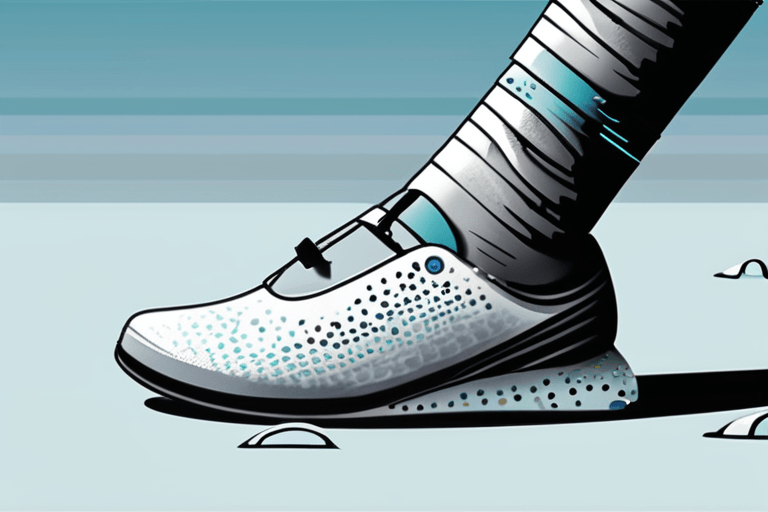
Finally, for those seeking to stay dry, Wired explored the effectiveness of waterproof sneakers. While weatherproof shoes have evolved, they can still come with trade-offs, such as thicker uppers and the potential to run hot and sweaty. "Anything that can stem the soggy tide is worth a go, right?" Wired questioned.




















Discussion
AI Experts & Community
Be the first to comment