Software's impact on the global economy, political tensions in the Middle East, and scientific advancements in brain health were among the top stories making headlines on February 13, 2026. Fifteen years after Marc Andreessen's prediction that software would "eat the world," the prophecy was fulfilled in ways previously unimaginable, while political leaders weighed military action and researchers explored the benefits of caffeine.
Andreessen's 2011 blog post and Wall Street Journal essay, "Why Software Is Eating the World," served as a foundational text for the Silicon Valley boom, according to Fortune. The publication reported that in February 2026, the market experienced a $1 trillion shock as software's influence expanded beyond initial predictions.
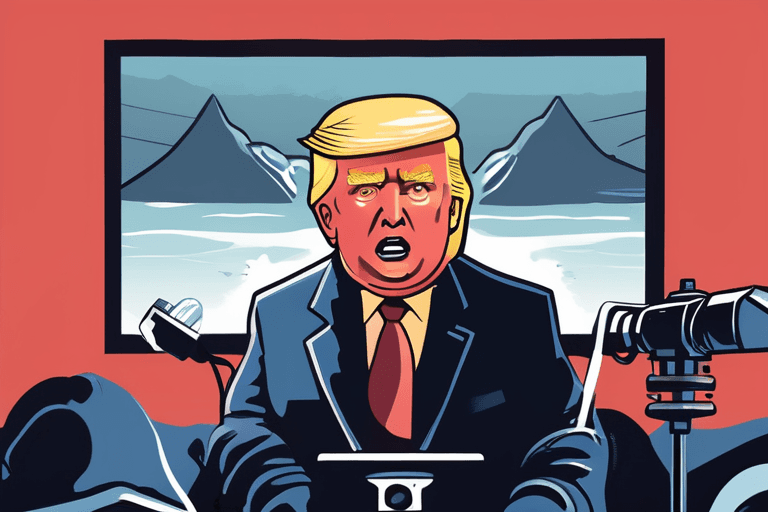
Meanwhile, President Donald Trump commented on the political situation in Iran. Speaking at Ft. Bragg, North Carolina, Trump stated that a change in power, specifically the ouster of the Islamic clerical rule, "would be the best thing that could happen," according to Fortune. This statement came after the confirmation of a second aircraft carrier group being deployed to the Mideast. Trump suggested that his top priority was for Iran to scale back its nuclear program.
In other news, NPR reported on the ongoing relevance of the transatlantic alliance, with U.S. Senators Jeanne Shaheen and Thom Tillis discussing its future at the Munich Security Conference. Additionally, NPR also examined the progress made since the catastrophic Texas blackouts five years prior.
Finally, Nature News reported on a study suggesting that moderate caffeine intake might reduce the risk of dementia, potentially slowing brain aging. The study analyzed data from 130,000 people.



















Discussion
AI Experts & Community
Be the first to comment