Massive aerial attacks and drone strikes across Ukraine, along with discoveries about ancient bog bodies and the use of AI in parking enforcement, are among the latest developments making headlines. Additionally, astronomers are expanding their research into the Kuiper Belt, and the tradition of "vinegar valentines" is being explored.
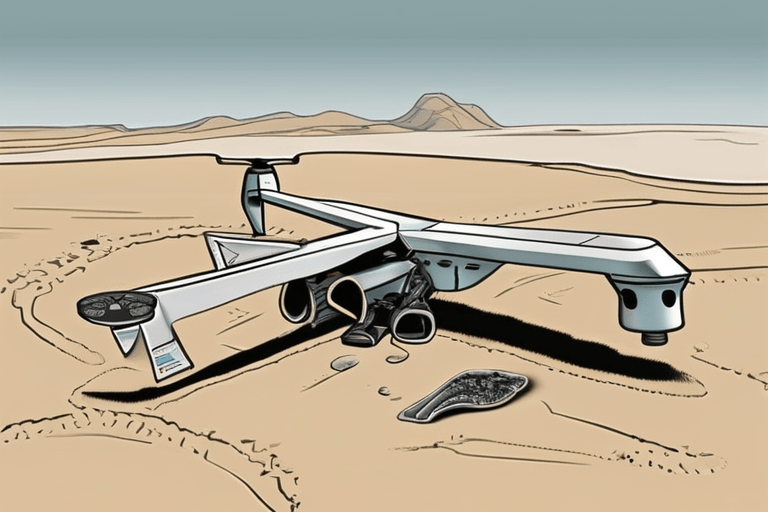
Russian forces launched a large-scale aerial strike and drone attacks across Ukraine between Friday evening and Saturday morning, according to Ukraine's air force. The attacks primarily involved 112 kamikaze drones, including Shahed, Gerbera, and Iskander-M ballistic missiles. While 91 drones were reportedly downed, at least 18 hit 11 locations. These attacks resulted in casualties, including one woman killed in a residential fire in Odesa. Leaders are discussing a "June deadline" for peace ahead of trilateral talks in Geneva on Tuesday, as reported by Euronews.
Meanwhile, in Germany, the discovery of approximately 60 bog bodies dating back around 2,000 years is shedding light on the lives of Germanic tribes. These bog mummies, preserved in the wet, peaty environment, offer insights into the Iron Age. They are now displayed in museums in northern Germany and Denmark, according to Euronews.
In Southern California, the city of Santa Monica will begin using an AI system in April to detect bike lane violations. The technology, developed by Hayden AI, will be implemented in seven parking enforcement vehicles. "The more we can reduce the amount of illegal parking, the safer we can make it for bike riders," said Charley Territo, chief growth officer at Hayden AI, as reported by Ars Technica.
Astronomers are also expanding their research into the Kuiper Belt, a region beyond Neptune's orbit. Over the past 30 years, about 4,000 Kuiper Belt objects (KBOs) have been cataloged, but this number is expected to increase tenfold in the coming years with the help of advanced telescopes, according to Ars Technica.
Finally, the tradition of "vinegar valentines" from the Victorian era is being highlighted. These mocking cards, designed to offend and upset recipients, predate social media and the internet. As Fortune reported, these cards were often sent anonymously and are considered ephemera by historians.



















Discussion
AI Experts & Community
Be the first to comment