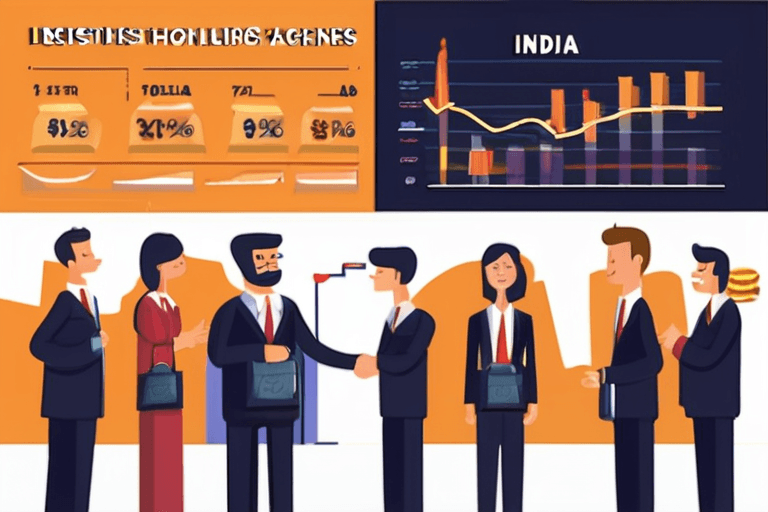
Inflation in the United States cooled in January, while tensions between the U.S. and Iran escalated as protests against the Iranian regime drew hundreds of thousands. The consumer price index rose by 2.4% over the 12 months to January, the slowest pace since May, according to the Department of Labor, driven in part by falling prices for used cars (BBC Business). Meanwhile, approximately 200,000 people protested against the Iranian regime on the sidelines of a gathering of world leaders on Saturday (Sky News).
The drop in inflation could bolster arguments that the central bank is in a position to cut interest rates, as suggested by President Donald Trump and others (BBC Business). However, some analysts have cautioned that progress toward the Federal Reserve's 2% target could stall if companies pass on tariff costs or if labor shortages push up prices (BBC Business).
Simultaneously, the U.S. and Iran are presenting clashing views ahead of expected talks, as reported by Al Jazeera. Washington has maintained its desire to limit Iran's missile program and end its nuclear enrichment, both of which Iran has consistently rejected (Al Jazeera). President Trump stated that regime change in Iran "would be the best thing that could happen," as the U.S. continues to deploy military assets in the region (Sky News). This statement came after a call by Iran's exiled Crown Prince Reza Pahlavi for increased international pressure on Tehran, which led to the large-scale protests (Sky News).
In other news, a U.S. federal judge ordered that some Venezuelan deportees sent to a notorious prison in El Salvador by the Trump administration must be allowed to return to the United States to fight their cases (The Guardian). One of the deportees, Luis Muñoz, expressed both hope and fear, stating, "I’m not over that nightmare yet" (The Guardian).








Discussion
AI Experts & Community
Be the first to comment