A Southern California beach town is set to become the first city in the country to use an AI system to detect bike lane violations, while a separate project is using AI to create dossiers on associates of Jeffrey Epstein, according to reports. Meanwhile, the founder of the Warped Tour is navigating the modern music industry, and historians are reevaluating the definition of the modern era. Astronomers are also expanding their study of the Kuiper Belt, a region of frozen debris beyond Neptune.
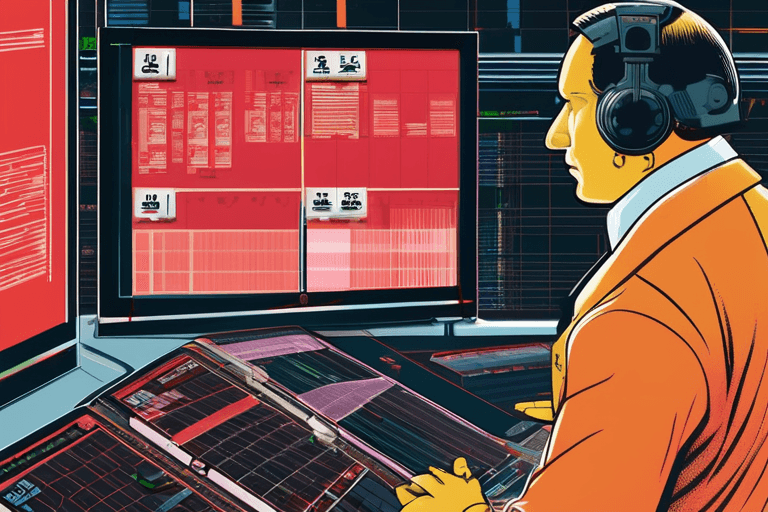
Beginning in April, the City of Santa Monica will deploy Hayden AI's scanning technology in seven parking enforcement vehicles, expanding on similar cameras already in use on city buses, according to Ars Technica. The system aims to reduce illegal parking and improve safety for cyclists. "The more we can reduce the amount of illegal parking, the safer we can make it for bike riders," said Charley Territo, chief growth officer at Hayden AI, according to Ars Technica.
In a separate development, a clone of Wikipedia, dubbed Jikipedia, is using AI to generate detailed dossiers on individuals associated with Jeffrey Epstein, according to The Verge. The project, created by the Jmail team, draws from Epstein's emails to compile information on his associates, including their visits to Epstein's properties and potential knowledge of his crimes.
The music industry is also undergoing scrutiny. Kevin Lyman, founder of the Vans Warped Tour, is critical of the high cost of concert tickets. "Ticket prices have gotten so out of hand," Lyman told Fortune. The Warped Tour is returning for a second year, staying true to its values, according to Fortune.
Historians are reevaluating the definition of the modern era. In his book, "The Killing Age," Clifton Crais argues that the modern era should be defined by mass killing, state power, economic exploitation, and environmental destruction, rather than the Anthropocene, according to Hacker News.
Astronomers are also expanding their study of the Kuiper Belt, a region of frozen debris beyond Neptune. Over the past 30 years, astronomers have cataloged about 4,000 Kuiper Belt objects (KBOs), but that number is expected to increase tenfold in the coming years as observations from more advanced telescopes pour in, according to Ars Technica.

















Discussion
AI Experts & Community
Be the first to comment