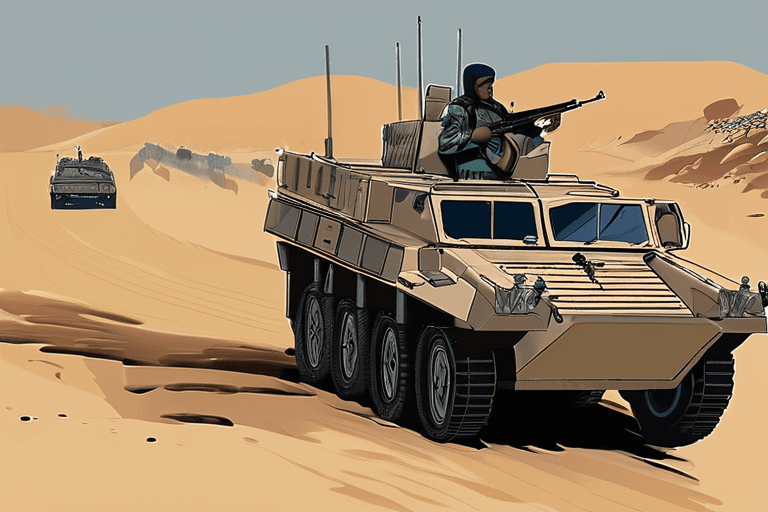
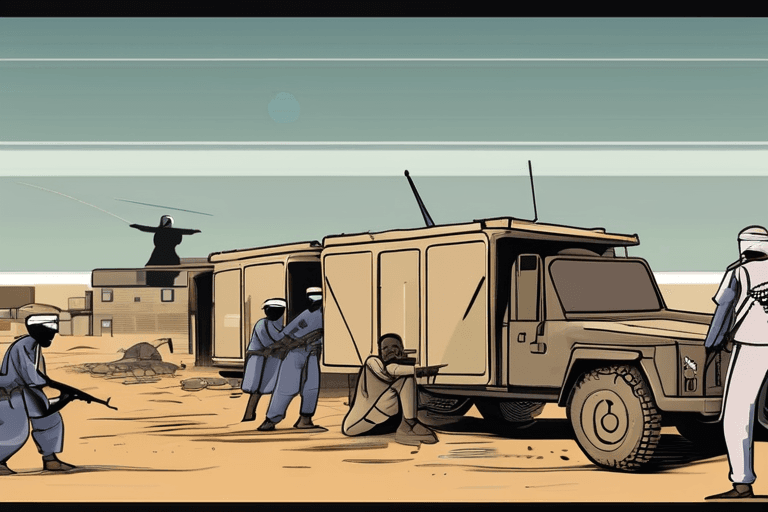
Armed assailants killed at least 32 people and burned homes and shops during raids on three villages in northwest Nigeria, according to residents who escaped the violence. The attacks, carried out by bandits on motorbikes, highlight the ongoing insecurity plaguing the region, as reported by The Guardian.
In other international news, Iran indicated a willingness to consider compromises to reach a nuclear deal with the United States, according to an Iranian minister who spoke to the BBC in Tehran. The minister stated that Iran was ready to discuss lifting sanctions if the US was willing to reciprocate. US officials, however, have repeatedly emphasized that Iran is holding up progress in the protracted negotiating process.
Meanwhile, the UK and its allies have accused Russia of using a poison developed from a dart frog toxin to kill opposition leader Alexei Navalny, two years after his death in a Siberian penal colony. Foreign Secretary Yvette Cooper stated that "only the Russian government had the means, motive and opportunity" to use the poison, as reported by BBC World. Moscow has dismissed the findings as an "information campaign," according to Tass news agency.
In business news, Scottish craft beer giant Brewdog could be sold off after the company brought in financial experts to look for new investors. The decision, according to a Brewdog spokesperson, was made after "operating in a challenging economic climate" in order to focus on the "long-term strength and sustainably" of the company. The company, founded in 2007, has breweries and pubs around the globe, including about 60 in the UK, as reported by BBC Business.
Finally, the economic landscape of the UK is being examined, with some looking to Manchester as a potential model for kickstarting growth. According to BBC Business, the city's regeneration strategies, put in place decades ago, are now flowering, creating a buzz that is difficult to understand unless experienced firsthand.














Discussion
AI Experts & Community
Be the first to comment