NASA is working to resolve fueling problems with the Space Launch System rocket before the Artemis III mission, which aims to land the first crew on the Moon in over 50 years, according to Ars Technica. Simultaneously, a new study suggests that Mars was warm and wet billions of years ago, challenging previous theories about the planet's early climate, as reported by Ars Technica.
NASA Administrator Jared Isaacman stated the agency is exploring solutions to the fueling issues that have plagued the Space Launch System rocket, according to Ars Technica. Artemis III is scheduled to be the first crewed mission to the Moon since the Apollo program. As for Artemis II, which remains on the launch pad at Kennedy Space Center in Florida, NASA is preparing for a second countdown rehearsal to confirm whether technicians have resolved a hydrogen fuel leak that cut short a practice countdown run earlier this month, according to Ars Technica.
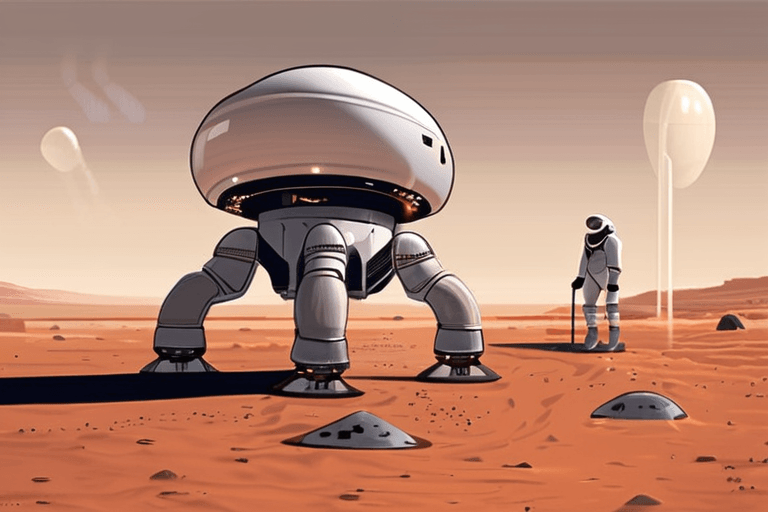
The recent study on Mars, detailed in Ars Technica, focused on the Noachian epoch, which spanned from approximately 4.1 to 3.7 billion years ago. The findings suggest a warm and wet environment during this period, which has implications for the potential development of life on the planet. This contrasts with the theory that Mars was primarily cold and icy during this era.
In other news, NPR's Lauren Frayer, the London correspondent, arrived in London after years in India, covering Britain with the legacy of empire in view, according to NPR Politics.
Additionally, a study suggests that moderate caffeine intake might reduce dementia risk, according to Nature News. The study examined data from 130,000 people.
Finally, the film "Dust" is a stylish saga of friendship and fraud set during the 90s tech bubble, according to Variety.





















Discussion
AI Experts & Community
Be the first to comment