The gender pay gap in the UK is not expected to close until 2056, according to the Trades Union Congress (TUC), which analyzed official pay data. The TUC's findings, released recently, indicate that at the current rate of progress, it will take another three decades to achieve pay parity between men and women. The news comes amid other global developments, including calls for UN reform and controversies surrounding the International Olympic Committee (IOC).
The TUC's analysis revealed a gender pay gap of 12.8%, or £2,548 per year, between the average wages of men and women. The disparity is most pronounced in the finance and insurance industry, where it reaches 27.2%, while in the leisure service sector, it is only 1.5%. Employers with more than 250 UK staff are required to report their pay data. "Moves to close the gender pay gap will not be successful until 2056 if progress remains at its current rate," the TUC warned.
In other international news, the head of the United Nations has called for African nations to be granted permanent seats on the UN Security Council. The UN Secretary-General stated that the absence of African representation is "indefensible." Latin American and many Asian countries also lack permanent representation, despite their large populations.
Meanwhile, at the Munich Security Conference, the United States signaled a potential shift in its approach to international alliances. According to Sky News, America indicated it is prepared to act independently of its European allies if they do not increase their military spending. Germany's chancellor stated that the old, rules-based world order is over.
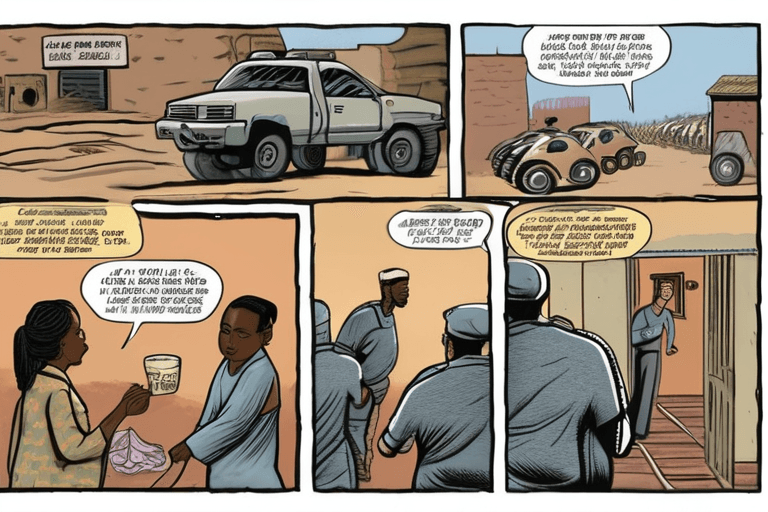
In Israel, Prime Minister Benjamin Netanyahu condemned an "extreme minority" after female IDF soldiers were rescued from riots in the ultra-Orthodox city of Bnei Brak. Video footage showed the soldiers being escorted away by police as thousands of ultra-Orthodox men protested. At least 22 people were arrested during the unrest, which involved attacks on police officers and vehicles.
Adding to the list of controversies, the IOC faced criticism for selling a T-shirt commemorating the 1936 Berlin Olympic Games, which were held during the Nazi era. The "Natural 1936 Berlin Games Olympic Heritage T-Shirt" was sold out in the online Olympic shop for 39 euros, sparking outrage due to its association with the "Nazi Games."










Discussion
AI Experts & Community
Be the first to comment