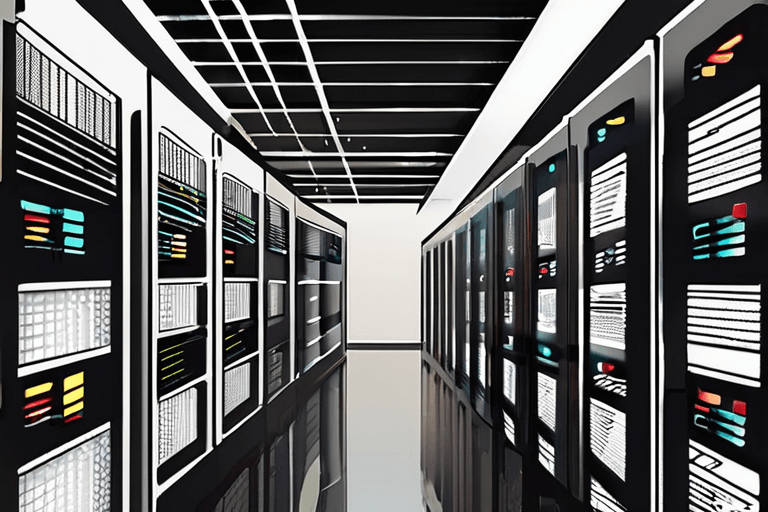
Data centers, once a largely unknown component of the internet infrastructure to the general public, have become a focal point of public concern and activism across the United States in 2025. Over the past year, protests against data center development have emerged in numerous states, driven by environmental, ethical, and economic anxieties.
According to Data Center Watch, an organization monitoring anti-data center activism, there are currently 142 activist groups operating in 24 states, all dedicated to opposing the expansion of data centers. These groups cite a range of concerns, including the potential environmental and health impacts of these facilities, the ethical implications of artificial intelligence applications supported by the centers, and the potential for increased electricity costs due to the power demands of these energy-intensive operations.
The surge in public opposition reflects the rapid growth of the data center industry, which has expanded significantly to meet the demands of cloud computing, artificial intelligence, and other data-intensive technologies. This expansion has led to data centers being built in closer proximity to residential areas, raising concerns among local communities.
Activists argue that data centers consume vast amounts of electricity and water, contributing to carbon emissions and straining local resources. They also express concerns about the potential health effects of electromagnetic fields emitted by the facilities and the noise pollution generated by cooling systems. Furthermore, the use of AI in various applications, such as facial recognition and autonomous weapons, has fueled ethical debates and concerns about privacy and security.
The increasing demand for computing power is driven by the proliferation of AI applications, which require massive amounts of data processing and storage. Companies like NVIDIA, AMD, and Intel are developing specialized hardware, such as GPUs and AI accelerators, to meet the demands of AI workloads. These chips are designed to perform complex calculations more efficiently than traditional CPUs, enabling faster training and deployment of AI models.
The rise in data center activism highlights the need for greater transparency and community engagement in the planning and development of these facilities. Industry experts suggest that data center operators should prioritize sustainable practices, such as using renewable energy sources, implementing water conservation measures, and engaging with local communities to address their concerns. As the demand for data and computing power continues to grow, finding a balance between technological advancement and community well-being will be crucial for the sustainable development of the data center industry.


















Discussion
Join the conversation
Be the first to comment