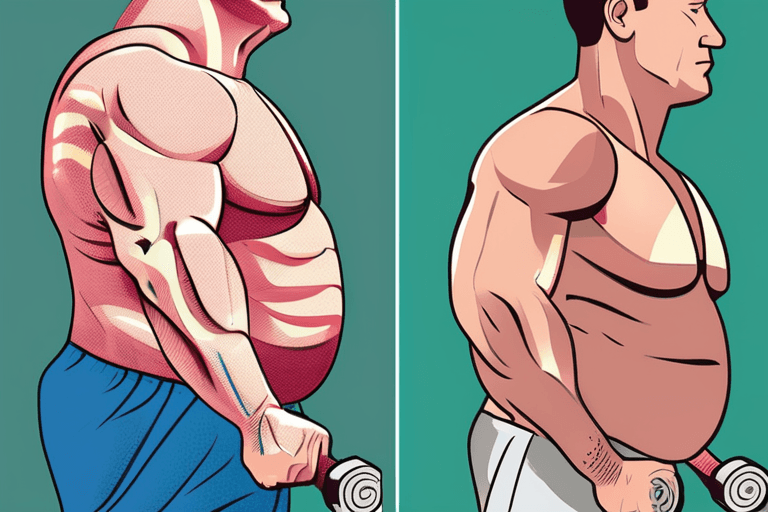
Patients taking GLP-1 drugs like Ozempic are reporting a concerning side effect: muscle mass loss. This development has prompted discussion among healthcare professionals and patients alike, raising questions about the optimal use of these medications.
The issue stems from the way GLP-1 drugs work, primarily by suppressing appetite and slowing gastric emptying, leading to weight loss. However, this weight loss isn't always selective, and individuals may lose muscle mass along with fat. According to Dylan Scott, a health reporter for Vox, patients need to be careful when using GLP-1 drugs.
Serena Williams, the former professional tennis player and current spokesperson for Ro, a healthcare firm offering GLP-1 medications, stated in a recent commercial that GLP-1s are "science" and "the medicine my body needed" after having children. While proponents emphasize the scientific basis of these drugs, the potential for muscle loss highlights the need for a comprehensive approach to weight management.
Experts recommend that patients on GLP-1 medications consume a protein-rich, balanced diet and engage in strength training exercises to mitigate muscle loss. These measures can help preserve lean muscle mass while still achieving the desired weight loss effects.
The rise in popularity of GLP-1 drugs has led to increased scrutiny from healthcare providers and policymakers. There are ongoing discussions about the long-term effects of these medications and the need for clear guidelines on their use. The Food and Drug Administration (FDA) is monitoring reports of adverse events associated with GLP-1 drugs, including muscle loss, and may issue further guidance as more data becomes available.
The situation is evolving as researchers continue to study the effects of GLP-1 drugs on body composition. Patients are advised to consult with their healthcare providers to develop personalized treatment plans that address both weight loss and muscle preservation.


















Discussion
Join the conversation
Be the first to comment