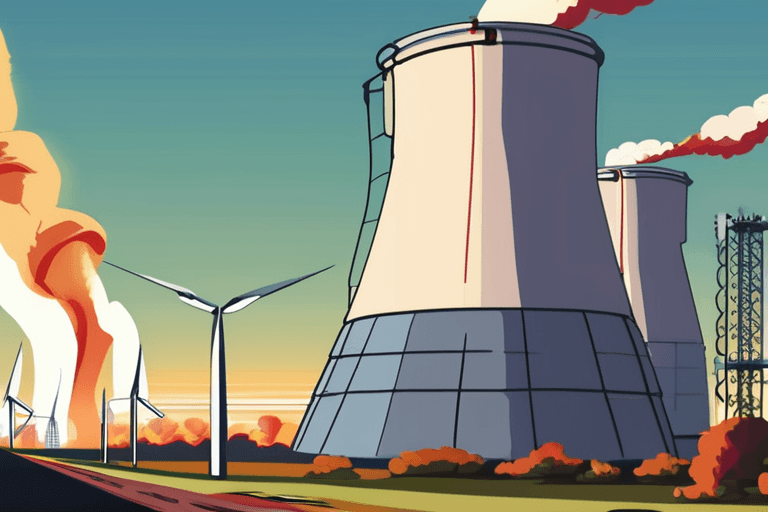
Ukraine and the United States have reached 90 percent agreement on a plan to end the war with Russia, but control of the Zaporizhzhia nuclear power plant remains a significant point of contention. The plant, located in the Zaporizhzhia region of southern Ukraine, has been under Russian military occupation since the early stages of the war.
Ukrainian President Volodymyr Zelensky stated that the remaining 10 percent of disagreement centers primarily on who will manage Europe's largest nuclear power facility. All six of the plant's reactors are currently shut down, and nuclear experts have warned that resuming electricity generation while fighting continues poses unacceptable risks.
Both Russia and Ukraine aspire to regain control and restart the plant's operations following the war, viewing it as a crucial energy asset. The facility boasts a generation capacity of six gigawatts, sufficient to power a country the size of Portugal.
The United States has also expressed interest in the Zaporizhzhia plant, seeing it as an opportunity to advance American economic interests within a peace agreement. According to Zelensky, U.S. negotiators have proposed a joint operation of the plant involving the United States, Russia, and Ukraine, an idea that Kyiv currently opposes.
The Zaporizhzhia plant's status has been a concern since Russian forces seized it in March 2022. The International Atomic Energy Agency (IAEA) has repeatedly called for a demilitarized zone around the plant to prevent a potential nuclear accident. IAEA Director General Rafael Grossi has personally visited the plant several times to assess the situation and has warned of the dangers of military activity near the facility.
The dispute over the plant highlights the complex geopolitical and economic considerations intertwined with the conflict in Ukraine. Control of the plant not only represents a significant energy asset but also carries symbolic weight, representing sovereignty and future economic influence in the region. The ongoing negotiations reflect the challenges in finding a resolution that satisfies the competing interests of all parties involved.



















Discussion
Join the conversation
Be the first to comment