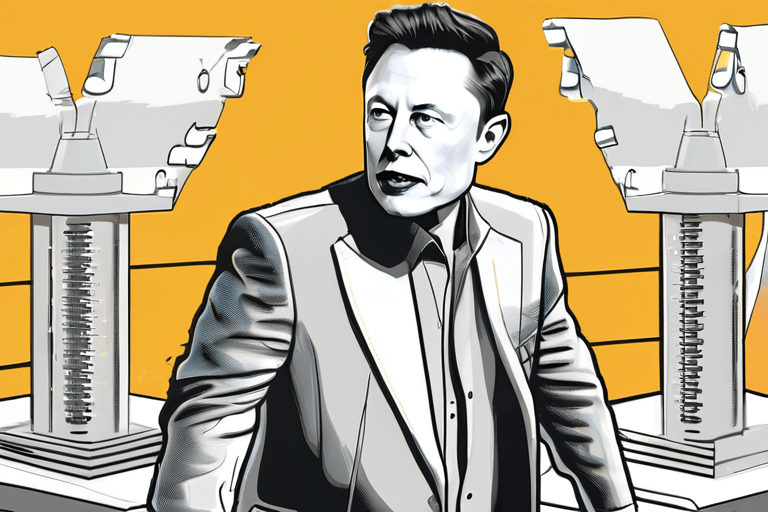
The digital town square, once a battleground dominated by progressive voices, now echoes with the clamor of a right ascendant. But within this newfound dominance, a schism is widening, fueled by the very platform that helped propel them to the top. Elon Musk's acquisition of Twitter, rebranded as X, promised a haven for free speech, a space where conservative viewpoints could flourish. However, the unintended consequence has been a fracturing of the right, as competing factions vie for influence and ideological purity within the platform's evolving ecosystem.
The shift began in late 2022 when Musk finalized his purchase of the social media giant. Critics immediately pointed to the rollback of content moderation policies, arguing that it unleashed a torrent of misinformation and hate speech. Supporters, however, hailed it as a victory against censorship, a necessary correction to what they perceived as years of liberal bias. The immediate effect was undeniable: previously marginalized voices found a megaphone, and conservative narratives gained traction.
The political landscape reflected this change. The term "woke," once a rallying cry for social justice, became a pejorative, wielded against perceived excesses of progressive ideology. Conservative commentators gained massive followings, and X became a crucial battleground in the culture war. The platform even played a role in the resurgence of Donald Trump, providing him with a direct line to his base and allowing him to circumvent traditional media gatekeepers.
But this triumph has come at a cost. The absence of strict content moderation, while empowering some, has also created an environment ripe for internal conflict. Different factions within the right, from traditional conservatives to the alt-right, now compete for attention and influence. The platform's algorithm, designed to maximize engagement, often amplifies the most extreme voices, further exacerbating these divisions.
"X has become an echo chamber of competing echo chambers," says Dr. Evelyn Hayes, a professor of media studies at the University of California, Berkeley. "The lack of a common enemy, coupled with the platform's design, encourages in-fighting and ideological purity tests. It's a classic case of the revolution devouring its own."
One example of this fracturing can be seen in the ongoing debate over the future of the Republican Party. While some advocate for a return to traditional conservative principles, others embrace a more populist, nationalist agenda. These divisions play out daily on X, with users engaging in heated debates, often resorting to personal attacks and accusations of betrayal.
"The platform has become a breeding ground for conspiracy theories and misinformation," says Mark Johnson, a former Republican strategist. "It's increasingly difficult to have a rational conversation when so many users are operating in their own reality bubbles."
Musk himself has acknowledged the challenges of managing a platform with such diverse and often conflicting viewpoints. In a recent interview, he stated, "My goal is to create a space where all voices can be heard, even those I disagree with. But it's a constant balancing act to ensure that the platform doesn't become a cesspool of hate and disinformation."
The future of X, and its impact on the right, remains uncertain. Some believe that the platform will eventually find a way to reconcile its competing factions, while others fear that it will continue to fragment, further polarizing the political landscape. One thing is clear: Elon Musk's experiment in free speech has unleashed a force that is not easily controlled, and its consequences are still unfolding. The question now is whether the right can overcome its internal divisions and harness the power of X for a unified purpose, or whether the monster Musk created will ultimately consume itself.
















Discussion
Join the conversation
Be the first to comment