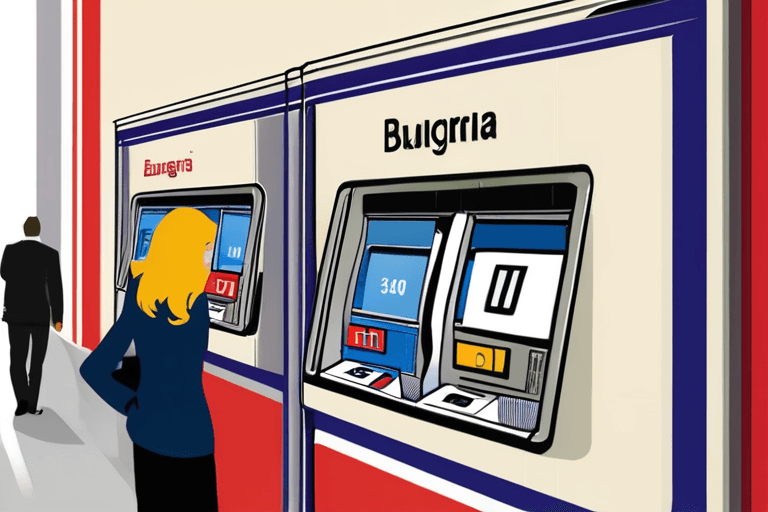
Cash machines in Bulgaria began dispensing euros on Thursday, marking the country's entry into the Eurozone as its 21st member. The move signifies a deeper integration with the European Union for the former communist nation, which joined the EU in 2007.
The introduction of the euro replaces the lev, although the local currency will remain in use for cash payments throughout January. However, change will be given exclusively in euros. This transition represents a significant step for Bulgaria, a nation of nearly 6.7 million people that has been navigating its path from a Soviet-style economy to democracy and free markets since 1989.
Bulgaria's adoption of the euro comes at a time of political uncertainty. The conservative-led government resigned earlier this month in the wake of nationwide anti-corruption protests. This political instability has fueled skepticism among the population, with concerns rising about potential price increases following the currency change.
To meet EU requirements for Eurozone membership, the Bulgarian government had worked to reduce inflation, bringing it down to 2.7% earlier this year. However, the government's resignation has left the country without a regular budget for the coming year, potentially hindering reforms and the effective utilization of support funds from the 27-member bloc. This situation has further contributed to the ongoing protests.
The Eurozone, established in 1999, represents a monetary union of EU member states that have adopted the euro as their common currency. The European Central Bank (ECB) manages the Eurozone's monetary policy. For Bulgaria, joining the Eurozone is expected to bring economic benefits, including lower transaction costs, increased price transparency, and greater financial stability. However, it also entails relinquishing control over its own monetary policy.














Discussion
Join the conversation
Be the first to comment