Millennials, those born in the 1980s and 1990s, have increasingly expressed disillusionment with the current state of the internet, a stark contrast to their earlier experiences of online engagement. This shift, driven by factors such as the prevalence of "rage bait" and the evolution of online platforms, has led many to question the internet's initial promise of connection and information sharing.
The internet landscape frequented by millennials in their youth, characterized by platforms like LiveJournal, MySpace, and early link aggregators, fostered a sense of community and discovery. Max Read, a writer focusing on technology and culture, recalled using sites like FARK and Metafilter in his younger years, highlighting a period of curated content and community discussion. "I would go to link aggregating sites like FARK," Read stated on Vox's "Explain It to Me" podcast, "When I was a little older, Metafilter was another one. Thered be discu."
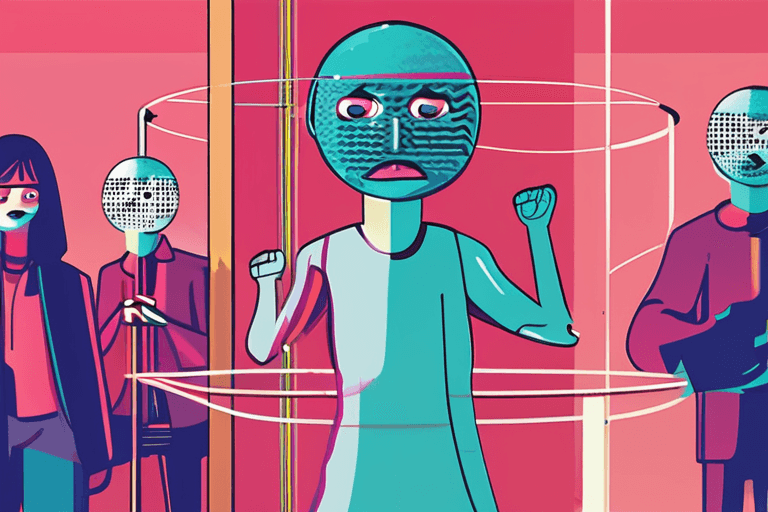
However, the rise of algorithmic content curation and the amplification of emotionally charged content have contributed to a less positive online experience. Oxford declared "rage bait" the word of 2025, reflecting the growing concern over the internet's tendency to prioritize anger and outrage. This trend has been fueled by AI-driven recommendation systems that often prioritize engagement over accuracy or nuanced perspectives. These algorithms, designed to maximize user attention, can inadvertently create echo chambers and contribute to the spread of misinformation.
The shift also reflects a broader societal concern about the impact of AI on online discourse. As AI becomes more sophisticated, its ability to generate and disseminate content, including "rage bait," increases, posing challenges for content moderation and critical thinking. The implications extend beyond individual user experience, potentially affecting political polarization and social cohesion.
While the internet continues to evolve, the nostalgia for earlier, less algorithmically driven online spaces remains a significant sentiment among millennials. The challenge now lies in finding ways to mitigate the negative impacts of AI-driven content and foster a more constructive and informative online environment.


















Discussion
Join the conversation
Be the first to comment