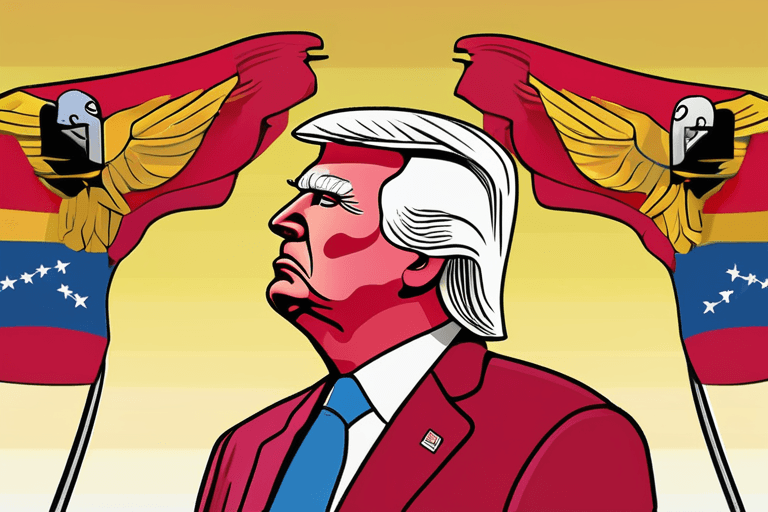
The muted response signals a potential shift in rhetoric among some Latin American leftists regarding President Trump. The U.S. government's stated justification for the intervention centers on stabilizing the Venezuelan economy and ensuring a reliable supply of oil to the global market. However, critics argue that the move represents a blatant act of neo-imperialism, undermining Venezuelan sovereignty and potentially destabilizing the region.
Venezuela holds the world's largest proven oil reserves, making it a strategic asset. The potential takeover of the oil industry raises questions about the future of Venezuelan resources and their distribution. The concept of resource control, often managed through complex algorithms and AI-driven logistics, becomes a central point of contention. AI could be used to optimize oil production and distribution, but also to monitor and potentially control access to these resources.
The implications of this situation extend beyond economics. AI-driven surveillance and predictive policing, already controversial in many contexts, could be deployed to maintain order and suppress dissent in Venezuela. The ethical considerations surrounding the use of AI in such a politically charged environment are significant.
The current status of the situation remains fluid. The U.S. government is reportedly working to establish an interim government in Venezuela, while regional actors are attempting to mediate a peaceful resolution. The role of AI in shaping the future of Venezuela, from resource management to security, will likely be a key factor to watch in the coming months.

















Discussion
Join the conversation
Be the first to comment