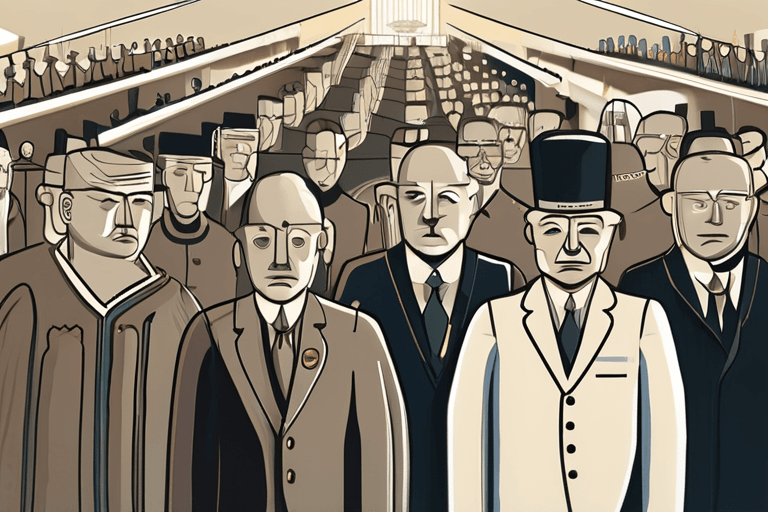
In 1919, leaders of the nascent German Republic convened in Weimar, Germany, to draft a new national constitution following the overthrow of Emperor Wilhelm II at the end of World War I. The city was chosen for its central location and the German National Theater, which provided ample space for the delegates. The constitution, ratified on Aug. 11, 1919, served as the republic's guiding document until Adolf Hitler's rise to power and the constitution's dissolution in 1933.
The era, known as the Weimar Republic, is now commemorated by the House of the Weimar Republic, a museum located across from the theater where the constitutional convention took place. The museum aims to educate the public about this pivotal period in German history.
The Weimar Republic emerged from the ashes of World War I, a conflict that reshaped the geopolitical landscape of Europe and beyond. The Treaty of Versailles, which formally ended the war, imposed harsh reparations on Germany, contributing to economic instability and social unrest. This environment fostered the rise of extremist ideologies, including Nazism.
The Weimar Constitution, while progressive for its time, contained inherent weaknesses, particularly Article 48, which allowed the president to rule by decree in times of emergency. This provision was later exploited by Hitler to consolidate power. The republic also faced challenges from both the left and the right, with various factions vying for control.
The legacy of the Weimar Republic serves as a cautionary tale for contemporary leaders navigating periods of political and economic turmoil. The republic's failure to address societal divisions and its susceptibility to authoritarianism offer valuable lessons for maintaining democratic institutions and preventing the rise of extremism in the 21st century.


















Discussion
Join the conversation
Be the first to comment