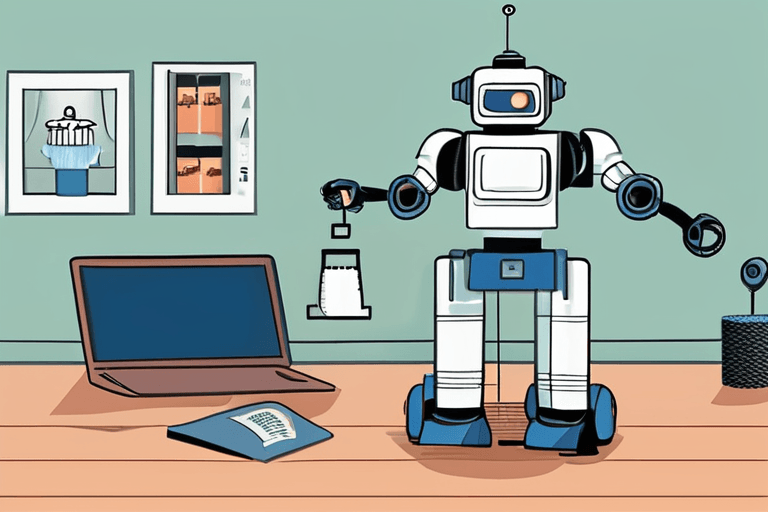
Domestic robots capable of performing multiple household chores are poised to enter homes this year, marking a significant step toward automating domestic tasks. Fueled by advancements in artificial intelligence, these robots, including Eggie, NEO, Isaac, and Memo, are being developed to handle duties ranging from folding laundry to loading dishwashers.
The development of these multi-purpose robots represents a tangible application of AI, moving beyond theoretical possibilities to practical implementation. At Tangible AI, for example, Eggie the robot demonstrated the ability to hang up a jacket, strip a bed, and clean up spills, albeit under human supervision. While these actions may seem simple, they highlight the increasing dexterity and sensitivity of modern robots, enabling them to perform tasks previously considered too complex for automation.
The concept of a domestic robot has been a long-standing aspiration, often depicted in science fiction as a helpful butler capable of managing all household duties. Now, with advancements in AI, this vision is becoming a reality. These robots are trained using machine learning algorithms, allowing them to learn from experience and adapt to different environments. This training process, often conducted in Silicon Valley, focuses on refining the robots' ability to perceive their surroundings, manipulate objects, and navigate complex spaces.
The implications of widespread domestic robot adoption are far-reaching. Proponents suggest that these robots could free up significant amounts of time for individuals, allowing them to focus on more fulfilling activities. However, concerns remain about the potential impact on employment, particularly for those working in domestic service roles. The integration of robots into homes also raises questions about data privacy and security, as these devices collect and process information about their environment and the people within it.
NEO, a domestic robot slated for customer release this year, exemplifies the progress being made in this field. While challenges remain in terms of cost, reliability, and safety, the rapid pace of development suggests that domestic robots will become increasingly common in the years to come. The current state of development indicates that while fully autonomous robot housekeepers are not yet a reality, the technology is rapidly advancing, and the first generation of multi-purpose domestic bots is on the cusp of entering the market.















Discussion
Join the conversation
Be the first to comment