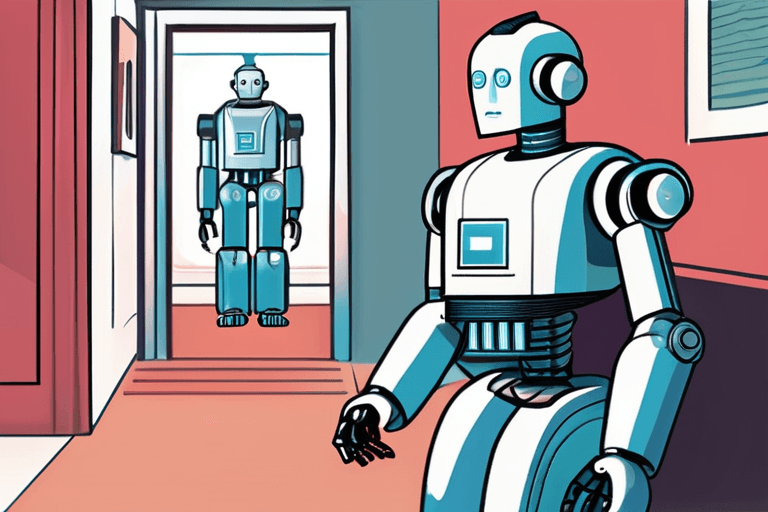
Domestic robots capable of performing multiple household chores are poised to enter homes this year, fueled by advancements in artificial intelligence. For decades, the concept of a robot butler has been a futuristic dream, but now, companies in Silicon Valley are rapidly developing and training robots to handle tasks such as folding laundry, loading dishwashers, and cleaning.
The emergence of these multi-purpose domestic bots marks a significant step forward in robotics. At Tangible AI, for example, the robot Eggie demonstrated the ability to hang up a jacket, strip a bed, and clean up spills. While Eggie is currently controlled by a human, its capabilities highlight the increasing agility, sensitivity, and dexterity of modern robots.
The core technology driving this progress is AI, specifically machine learning. These robots learn from vast amounts of data, allowing them to recognize objects, understand commands, and adapt to different environments. This learning process enables them to perform tasks that previously required human intervention. The robots Neo, Isaac, and Memo are also part of this new wave of domestic robots.
The implications of widespread domestic robot adoption are far-reaching. On one hand, these robots could free up significant amounts of time for individuals, allowing them to focus on work, leisure, or personal development. On the other hand, concerns exist about potential job displacement in the cleaning and domestic services industries.
The development of domestic robots also raises ethical questions about privacy, security, and the potential for bias in AI algorithms. As these robots become more integrated into our lives, it will be crucial to address these concerns and ensure that they are used responsibly.
While the technology is promising, challenges remain. The cost of these robots is currently high, limiting their accessibility to a small segment of the population. Additionally, the robots' ability to handle complex or unpredictable situations is still limited.
Looking ahead, the field of domestic robotics is expected to continue to evolve rapidly. As AI algorithms become more sophisticated and robot hardware becomes more affordable, these robots are likely to become more capable and accessible. The launch of BBCNEO's domestic robot this year is a key indicator of this trend, suggesting that the era of the robot housekeeper may be closer than ever.
















Discussion
Join the conversation
Be the first to comment