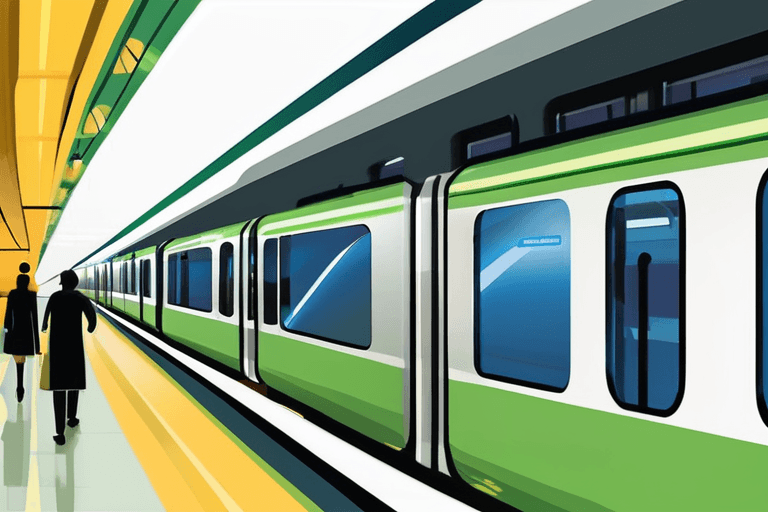
The Northern Powerhouse Rail (NPR) plan is poised to move forward with renewed momentum, aiming to address historical underinvestment in the North of England's infrastructure. The plan, which includes a new high-speed rail line between Liverpool and Manchester slated for the 2030s, and a line between Birmingham and Manchester to replace a cancelled portion of the HS2 project, seeks to unlock the economic potential of the region.
Transport experts have long advocated for prioritizing infrastructure development in the North, criticizing the disproportionate allocation of resources to projects in the South East and London. The NPR plan is not solely focused on rail expansion but aims to stimulate economic growth across the North of England, described as an "untapped goldmine" by proponents.
The current infrastructure plans are central to the political challenges facing the Labour party, as it seeks to revive economic growth. Previous administrations have made promises regarding Northern infrastructure that were not fully realized. Former Chancellor George Osborne, in 2015, pledged to roll out a high-speed rail line across Labour's northern heartlands. Boris Johnson also championed HS2, further raising expectations for improved connectivity in the region.
The NPR project represents a significant opportunity to leverage advanced technologies, including artificial intelligence (AI), to optimize rail operations and enhance passenger experience. AI-powered systems can be implemented for predictive maintenance, optimizing train schedules, and managing passenger flow. These advancements could lead to increased efficiency, reduced delays, and improved overall service quality.
However, the successful implementation of AI in rail infrastructure requires careful consideration of ethical implications and data privacy. Ensuring transparency and accountability in AI decision-making processes is crucial to maintain public trust. Additionally, addressing potential biases in AI algorithms is essential to avoid perpetuating inequalities in access to transportation services.
The latest developments indicate a strong commitment from both political and economic stakeholders to move forward with the NPR plan. The project is expected to generate significant economic benefits, including job creation, increased productivity, and improved connectivity between major cities in the North. The next steps involve securing funding, finalizing route alignments, and commencing construction.
















Discussion
Join the conversation
Be the first to comment