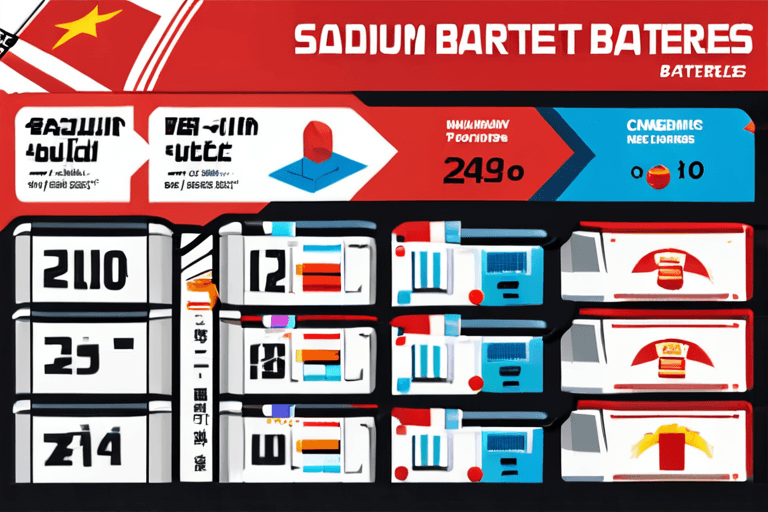
Sodium-ion batteries are emerging as a viable alternative to lithium-ion technology, with potential applications in electric vehicles and grid-scale energy storage. For decades, lithium-ion batteries have dominated the market for portable electronics and electric vehicles, but concerns about lithium's limited supply and price volatility are driving the search for alternatives.
Sodium-ion batteries function similarly to lithium-ion batteries, storing and releasing energy through the movement of ions between electrodes. However, sodium is far more abundant and less expensive than lithium, making it an attractive option for widespread deployment. Sodium is readily available worldwide, unlike lithium, which is primarily mined in a few countries.
Caiwei Chen, a China tech writer based in the US, noted the growing optimism among Chinese tech companies, particularly evident at the recent Consumer Electronics Show (CES) in Las Vegas. Chen observed a surge in travel plans among contacts from China, indicating a strong interest in showcasing their latest innovations.
The development of sodium-ion batteries is considered one of MIT Technology Review's 10 Breakthrough Technologies this year. This recognition underscores the potential of sodium-ion technology to reshape the energy landscape.
While lithium-ion batteries remain the dominant technology, the rise of sodium-ion batteries could diversify the battery market and reduce reliance on a single resource. The industry is closely watching the development and deployment of sodium-ion batteries, with expectations that they will play an increasingly important role in the energy future.
















Discussion
Join the conversation
Be the first to comment