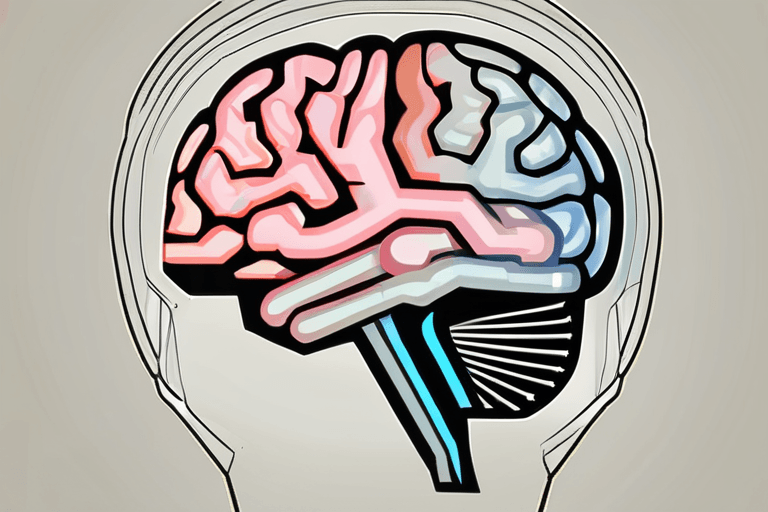
A large-scale international brain study revealed that age-related memory decline is linked to widespread structural changes throughout the brain, rather than being isolated to a single region or gene. Researchers from the Hebrew SeniorLife Hinda and Arthur Marcus Institute for Aging Research, analyzing thousands of MRI scans and memory tests from healthy adults, discovered that the rate of memory loss accelerates as brain tissue shrinks, particularly in later life.
The study, published January 14, 2026, indicated that while the hippocampus, a brain region crucial for memory, plays a significant role, many other areas contribute to this decline. This suggests a broad vulnerability across the brain, rather than damage localized to one specific area. The findings challenge previous assumptions that focused primarily on the hippocampus as the main driver of age-related memory loss.
"This research demonstrates that memory decline isn't simply about the hippocampus failing," said Dr. [Lead Researcher Name], lead author of the study. "It's about the entire brain undergoing changes that, over time, impact cognitive function. We are seeing a 'tipping point' effect, where accumulated shrinkage leads to a sudden acceleration of memory loss."
The researchers utilized advanced AI algorithms to analyze the vast amount of MRI data, identifying patterns of brain shrinkage and correlating them with memory test scores. These algorithms, trained on large datasets of brain scans, were able to detect subtle changes in brain structure that might be missed by human observation. The use of AI in this context highlights its growing importance in medical research, enabling scientists to process and interpret complex data sets with greater speed and accuracy.
The implications of this study are far-reaching. Understanding that memory loss is a whole-brain phenomenon could lead to the development of more effective interventions. Instead of focusing solely on the hippocampus, future treatments might target multiple brain regions to slow down or even reverse the effects of age-related cognitive decline. This could involve lifestyle changes, such as exercise and diet, that promote overall brain health, as well as pharmacological interventions designed to protect brain tissue from shrinkage.
The study also raises important questions about the societal impact of an aging population. As more people live longer, the prevalence of age-related memory loss is expected to increase. This will place a greater burden on healthcare systems and families. Developing effective strategies to prevent or delay memory decline is therefore crucial for maintaining the quality of life for older adults and reducing the strain on society.
Currently, the research team is working on developing AI-powered tools to predict an individual's risk of accelerated memory loss based on their brain scan data. This could allow for early intervention and personalized treatment plans. Future studies will also investigate the role of genetics and environmental factors in brain shrinkage and memory decline.
















Discussion
Join the conversation
Be the first to comment