The resurgence of nuclear energy as a viable solution to climate change and energy independence has spurred interest in next-generation reactor designs, aiming to overcome the traditional challenges of cost and construction time associated with conventional nuclear power plants. These advanced technologies promise to reshape the nuclear industry by offering potentially safer, more efficient, and more economical alternatives to 20th-century reactor blueprints.
Advocates of next-gen nuclear technology believe these innovations can play a crucial role in replacing fossil fuels while minimizing greenhouse gas emissions. The new designs encompass a range of approaches, including small modular reactors (SMRs), which can be manufactured in factories and assembled on-site, reducing construction time and capital investment. Other advancements focus on alternative coolants, such as molten salt or helium, which operate at higher temperatures and lower pressures than traditional water-cooled reactors, potentially improving efficiency and safety.
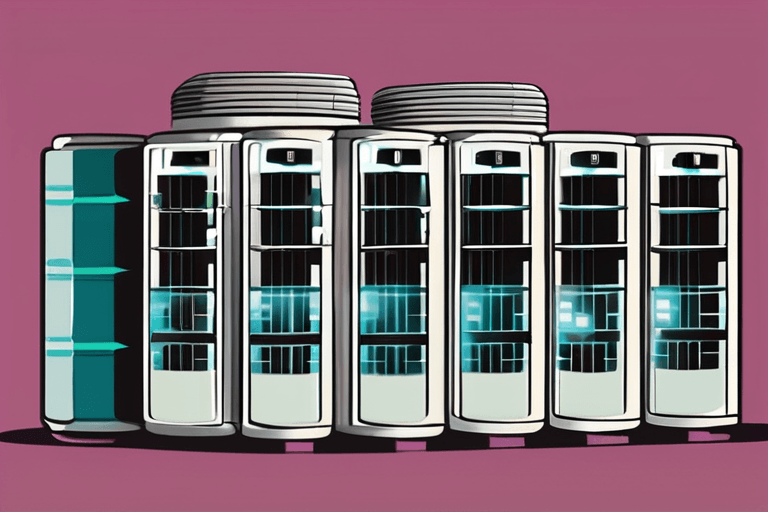
However, the proliferation of data centers, essential for modern computing and data storage, faces increasing public scrutiny despite their technological marvel. These hyperscale facilities, while representing significant engineering achievements, are drawing criticism related to their energy consumption, land use, and environmental impact. The tension highlights a growing awareness of the trade-offs between technological advancement and sustainability.

















Discussion
Join the conversation
Be the first to comment