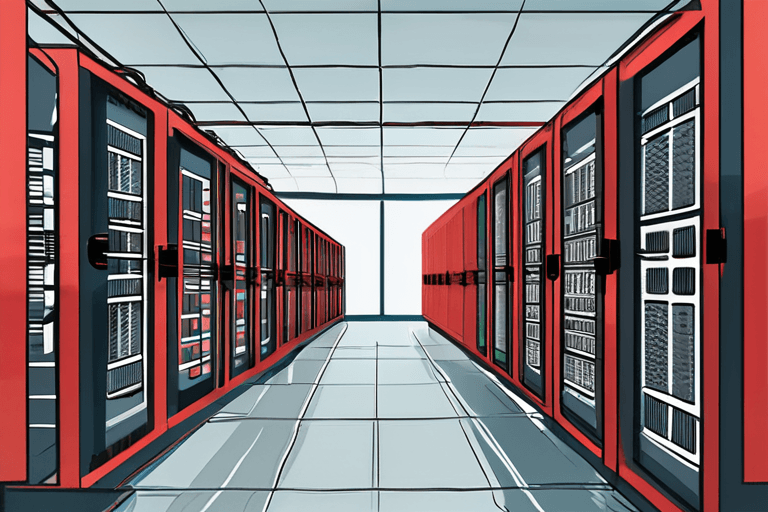
Data centers, the colossal engines driving the artificial intelligence revolution, are simultaneously marvels of engineering and sources of growing public concern. These hyperscale facilities, some spanning millions of square feet, house hundreds of thousands of high-end GPU chips that power advanced AI models, consuming massive amounts of electricity and generating significant heat.
The sheer scale of these data centers is staggering. Built with millions of pounds of steel, aluminum, and concrete, they contain hundreds of miles of wiring connecting processors that can cost upwards of $30,000 apiece. These chips, working in concert, process hundreds of thousands of tokens per second, the basic building blocks of an AI model.
Industry analysts suggest that the construction boom in data centers is significantly impacting the U.S. economy. The world's largest companies are pouring capital into these facilities, leading some to argue that they are single-handedly propping up the stock market. "The demand for AI is insatiable, and data centers are the only way to meet it," said one tech analyst, who requested anonymity due to company policy.
However, the rise of data centers is not without its critics. Concerns about their environmental impact are growing, particularly regarding their energy consumption and water usage for cooling. The massive electricity demands of these facilities often strain local power grids and contribute to carbon emissions, raising questions about sustainability.
Furthermore, communities near proposed data center locations are voicing concerns about noise pollution, visual blight, and the potential impact on property values. "We're not against progress, but we need to ensure that these facilities are built responsibly and don't negatively impact our quality of life," said a local resident at a recent town hall meeting regarding a proposed data center in their area.
The cultural impact of data centers is also a subject of debate. While they enable the AI applications that are increasingly integrated into daily life, some worry about the concentration of power in the hands of a few tech giants who control these facilities. The potential for job displacement due to automation and the ethical implications of AI algorithms are also ongoing concerns.
The current status of data center development is one of rapid expansion, with new facilities being planned and built at an unprecedented rate. However, increasing scrutiny from regulators and the public is forcing companies to address environmental and community concerns. Future developments will likely focus on improving energy efficiency, reducing water consumption, and engaging more actively with local communities to mitigate negative impacts. The challenge lies in balancing the benefits of AI with the environmental and social costs of the infrastructure that supports it.

















Discussion
Join the conversation
Be the first to comment