Sodium-ion batteries are emerging as a viable alternative to lithium-ion technology, with potential applications in electric vehicles and grid-scale energy storage. The shift is driven by the limited supply and fluctuating prices of lithium, prompting the industry to explore more readily available and cost-effective materials.
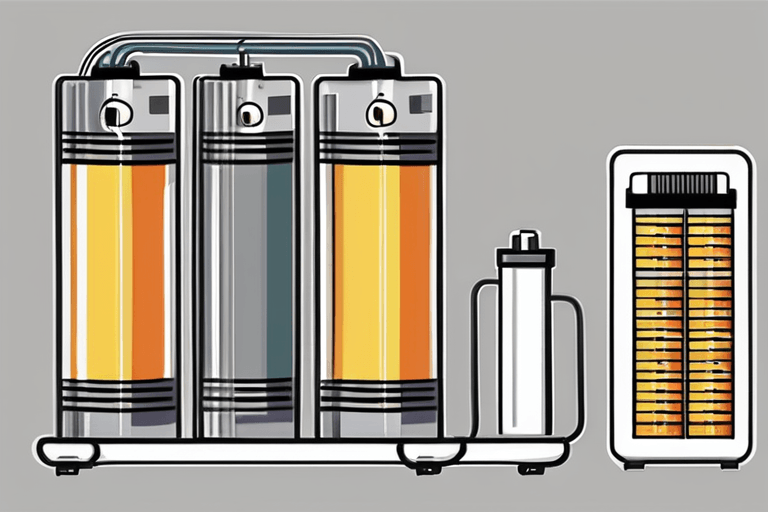
Sodium-ion batteries function similarly to their lithium-ion counterparts, storing and releasing energy through the movement of ions between electrodes. However, sodium is significantly more abundant and less expensive than lithium, which is currently mined in only a few countries. This accessibility positions sodium-ion technology as a key element in the future of energy.
Caiwei Chen, a China tech writer based in the U.S., noted the growing optimism among Chinese tech companies, particularly evident at the recent Consumer Electronics Show (CES). Chen observed a surge in travel plans from Chinese contacts, indicating a strong interest in showcasing their advancements on the global stage.
The development of sodium-ion batteries is considered one of MIT Technology Review's 10 Breakthrough Technologies of the year. The technology's potential lies in its ability to alleviate concerns surrounding lithium supply chains and price volatility, paving the way for more sustainable and accessible energy storage solutions. While lithium-ion batteries have dominated the market for powering devices such as phones, laptops, and electric vehicles for decades, the industry is actively seeking alternatives to ensure a more resilient and diversified energy landscape.
















Discussion
Join the conversation
Be the first to comment