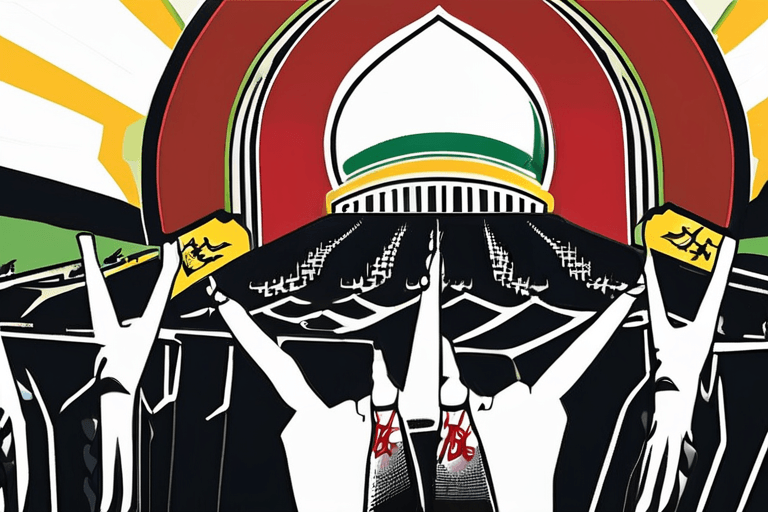
Protests against the Islamic Republic in Iran have intensified and broadened, prompting a forceful government crackdown, according to experts and analysts. The demonstrations, seen by the regime and Supreme Leader Ayatollah Ali Khamenei as an existential threat, have been met with a violent response aimed at protecting the government and its interests.
Analysts suggest that while many Iranians desire the overthrow of the government, similar to the 1979 revolution that ousted the Shah, the current regime is likely to suppress the unrest. However, they also emphasize that the protests have exposed deep-seated popular discontent that will be difficult to quell in the long run. "The regime felt an existential angst and brought down the iron fist, so I feel this round is probably done," said Ali Vaez, Iran project director for the International Crisis Group.
The protests reflect a widespread sentiment among many Iranians who believe the government has failed to deliver on its promise of a better life after nearly 50 years in power. Large numbers of people have taken to the streets across the country, demanding an end to the regime.
The government's response to the protests underscores its determination to maintain control, even in the face of growing public opposition. While the immediate future may see a suppression of the current unrest, the underlying discontent suggests that the challenges to the regime's authority will persist.











Discussion
Join the conversation
Be the first to comment