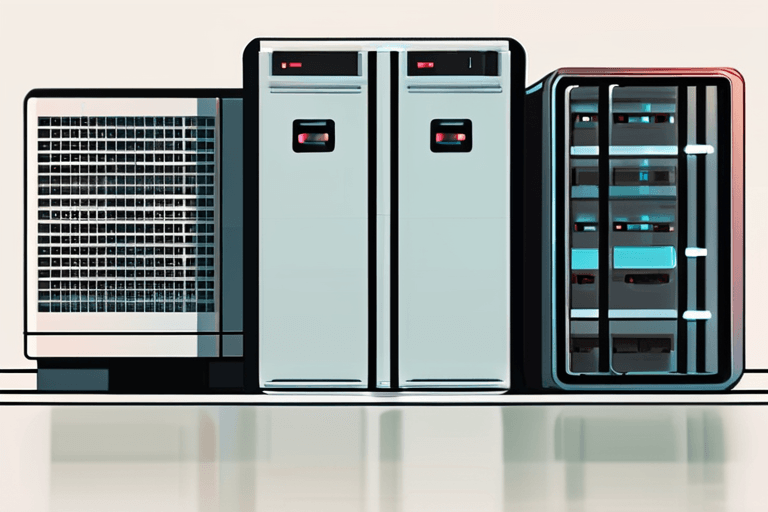
The future of the multi-billion dollar data center industry could face disruption from an unexpected source: the very devices it currently supports. A shift towards on-device artificial intelligence (AI) processing, spearheaded by tech giants like Apple and Microsoft, is raising questions about the long-term necessity of massive, centralized data centers.
Perplexity CEO Aravind Srinivas recently suggested that advancements in AI could eventually render large data centers obsolete. Speaking on a podcast, Srinivas envisioned a future where personalized AI tools operate directly on user devices, eliminating the need to transmit data to and from remote servers. This would represent a significant departure from the current model, where AI applications heavily rely on the processing power of vast data centers.
While the exact financial impact of such a shift remains uncertain, the data center market is currently experiencing substantial growth. Industry analysts project continued expansion in the coming years, driven by the increasing demand for cloud computing and AI services. However, the potential for on-device AI to reduce reliance on these centralized facilities could alter the trajectory of this growth.
Apple's recent foray into on-device AI with "Apple Intelligence" provides a glimpse into this potential future. By incorporating specialized chips into its latest product range, Apple aims to process certain AI tasks directly on the device, offering users faster performance and enhanced data security. Similarly, Microsoft's Copilot laptops feature on-device AI processing capabilities. However, these features are currently limited to premium-priced devices, highlighting the technological barriers to widespread adoption. The computational demands of AI require powerful processing capabilities that are not yet standard in most consumer electronics.
The long-term implications of this trend are significant. If on-device AI processing becomes more prevalent and accessible, it could lead to a decentralization of computing power, potentially reducing the need for massive data centers. This shift could disrupt the existing market landscape, creating new opportunities for companies specializing in edge computing and on-device AI solutions. While the "if and when" of this transition remains uncertain, the potential for smartphones and other devices to challenge the dominance of data centers is a development that the industry is closely watching.
















Discussion
Join the conversation
Be the first to comment