Ugandans are preparing to vote in a general election Thursday that is widely expected to extend President Yoweri Museveni's 35-year rule. The election campaign has been marked by violence and restrictions on opposition activities, raising concerns about the fairness and credibility of the process.
Museveni, who came to power in 1986, is facing a strong challenge from Robert Kyagulanyi, a pop star known as Bobi Wine, who has galvanized young voters with his calls for change. Wine's rallies have been repeatedly disrupted by security forces, who have used tear gas and live ammunition to disperse crowds. Hundreds of Wine's supporters have been arrested and detained, and Wine himself has been arrested multiple times.
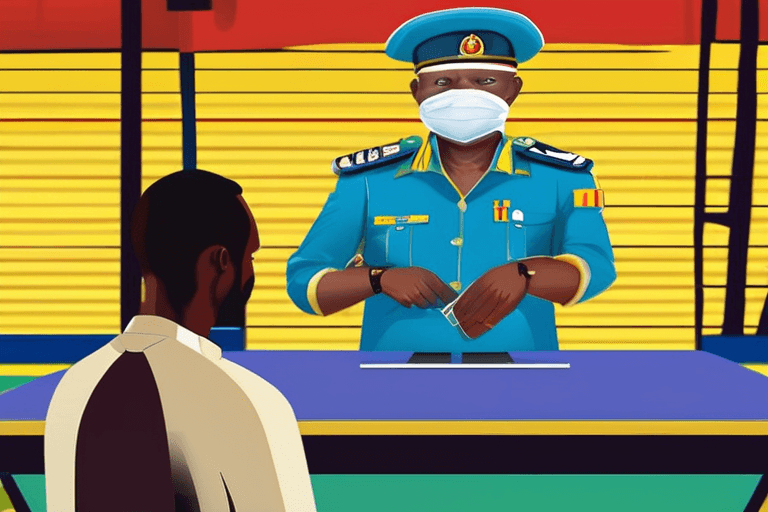
Authorities have defended their actions, saying they are necessary to maintain public order and prevent the spread of COVID-19. However, critics accuse the government of using the pandemic as a pretext to suppress dissent and restrict political freedoms.
"The actions of the security forces are clearly intended to intimidate and silence the opposition," said Maria Burnett, a senior researcher at Human Rights Watch. "The government is creating an environment of fear that makes it difficult for people to participate freely in the electoral process."
In addition to the crackdown on opposition rallies, the government has also been accused of restricting media access and intimidating journalists. Several journalists have been arrested or harassed for reporting on the opposition, and some media outlets have been warned against broadcasting content that is critical of the government.
The election is taking place against a backdrop of widespread poverty and inequality in Uganda. While the country has made some progress in recent years, many Ugandans still struggle to access basic services such as healthcare and education. Museveni has promised to create jobs and improve infrastructure, but his critics say he has failed to address the root causes of poverty and inequality.
Wine has campaigned on a platform of economic empowerment and social justice, promising to create opportunities for young people and fight corruption. He has also called for an end to impunity for human rights abuses and for greater accountability from government officials.
The Electoral Commission has said it is committed to conducting a free and fair election. However, opposition parties have raised concerns about the independence and impartiality of the commission, and have called for greater transparency in the electoral process.
On Tuesday, the government shut down internet access and limited mobile phone services countrywide, a move that has been widely condemned by civil society organizations and international observers. Critics say the shutdown is intended to prevent the dissemination of information and to disrupt the electoral process.
The outcome of the election is uncertain, but most analysts believe that Museveni is likely to win. However, the election is expected to be closely contested, and there is a risk of violence and unrest in the aftermath of the polls. International observers are closely monitoring the situation, and have called on all parties to respect the outcome of the election and to refrain from violence.













Discussion
Join the conversation
Be the first to comment