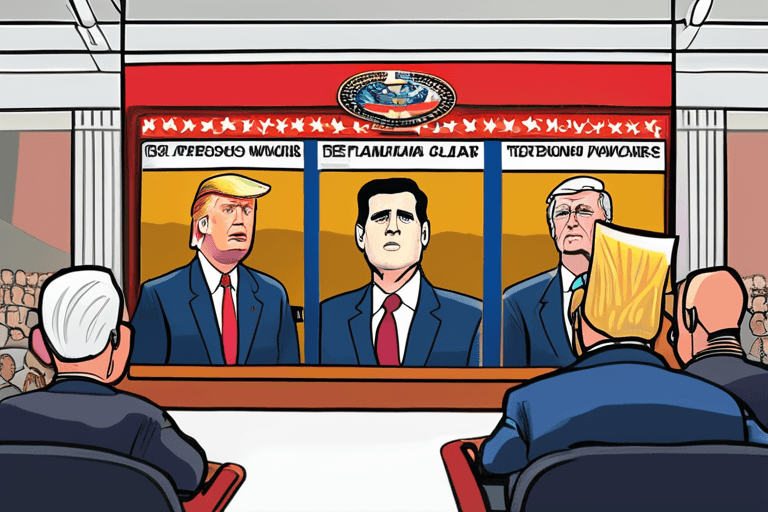
The initial vote was triggered by the U.S. capture of Venezuelan President Nicolás Maduro earlier this month. President Trump responded to the Republican defectors by calling for their removal from Congress. Senate Majority Leader John Thune, R-S.D., worked to secure the votes to block the resolution.
The resolution aimed to reassert Congress's constitutional authority over military engagements. Supporters argued that the capture of Maduro constituted an act of war requiring congressional approval. Critics, however, maintained that the president has the authority to act in defense of national security interests.
Sen. Josh Hawley, R-Mo., who initially supported the resolution, reversed his position and voted to block it after receiving assurances from the White House. Hawley had previously expressed concerns about the lack of congressional oversight in military actions. Chip Somodevilla reported that Hawley spoke to reporters as he headed to the vote at the U.S. Capitol on Wednesday.
The failed resolution highlights the ongoing debate between the executive and legislative branches regarding war powers. The Trump administration has faced increased scrutiny from Congress over its foreign policy decisions, particularly concerning military interventions. The future of U.S. policy toward Venezuela remains uncertain.















Discussion
Join the conversation
Be the first to comment