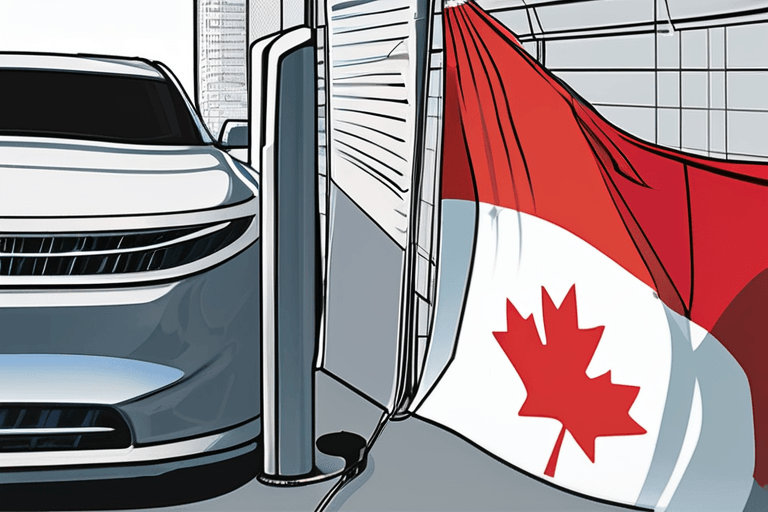
Canada is set to reduce tariffs on some Chinese electric vehicles, a move announced Friday during Prime Minister Mark Carney's state visit to Beijing. In a significant departure from recent trade policy aligned with the United States, the Canadian government will permit up to 49,000 Chinese electric vehicles to enter the Canadian market under a preferential tariff rate of 6.1 percent.
This decision reverses, in part, the 100 percent tariff imposed on Chinese electric vehicles in 2024, a measure enacted at the urging of the Biden administration. The new agreement also includes a commitment from China to make a considerable investment in Canada's auto sector within the next three years. In return for the tariff reduction on electric vehicles, China will lower tariffs on Canadian canola products.
While the initial impact of allowing 49,000 vehicles into the Canadian market is relatively modest, the move signals a strategic shift by Canada to diversify its trading partners and lessen its economic dependence on the United States. The backdrop to this decision includes tariffs imposed by former U.S. President Donald J. Trump on key Canadian exports such as lumber, steel, and autos, as well as perceived threats to Canadian sovereignty.
The Canadian auto industry has been navigating a complex landscape of evolving trade relationships and technological advancements. The influx of Chinese electric vehicles, even under a limited quota, could intensify competition within the Canadian market, potentially impacting domestic manufacturers and established international players. The promised Chinese investment in Canada's auto sector could provide a boost to specific companies or regions, but the details of these investments remain to be seen.
The long-term implications of this policy shift are uncertain. The success of this agreement will depend on the specific terms of China's investment in the Canadian auto sector and the broader geopolitical climate. The move could pave the way for closer economic ties between Canada and China, but it also risks straining relations with the United States, particularly if trade tensions between the U.S. and China continue to escalate.












Discussion
Join the conversation
Be the first to comment