Researchers in Uganda discovered that treating cloth wraps with the insect repellent permethrin cut rates of malaria in infants carried in them by two-thirds. This simple intervention could transform a centuries-old tradition into a potent weapon against a deadly disease. Malaria, a relentless killer, claims over 600,000 lives annually, with the vast majority being children under five in Africa.
The trial, conducted in Kasese, a rural and mountainous region of western Uganda, involved 400 mothers and their babies, approximately six months old. The study highlighted the potential of permethrin-treated cloth wraps as a cost-effective solution to combat malaria, especially as mosquito bites become more common during daytime.
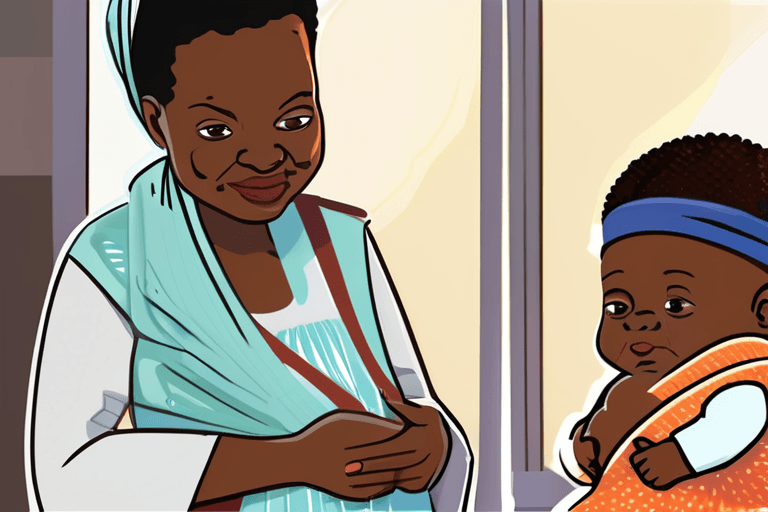
For generations, mothers across Africa, Latin America, and Asia have carried their babies in cloth wraps, fostering a close bond while tending to daily tasks. Now, this deeply ingrained cultural practice is being reimagined as a tool for public health. The beauty of this approach lies in its simplicity and affordability. Permethrin is a widely available insecticide, making it a "dirt cheap" option for communities battling malaria.
The implications of this research extend beyond Uganda. If implemented on a wider scale, permethrin-treated wraps could significantly reduce the burden of malaria in numerous countries where the disease is endemic. This innovative approach offers a practical and culturally sensitive way to protect vulnerable infants from mosquito bites, particularly during the day when traditional interventions like bed nets are less effective.
The study's findings are a testament to the power of combining scientific research with traditional practices. By leveraging existing cultural norms, researchers have developed a solution that is both effective and sustainable. The next step involves scaling up production and distribution of treated wraps, ensuring that they reach the communities that need them most. This could involve partnerships with local organizations, government agencies, and international aid groups. The hope is that this simple intervention will save countless lives and pave the way for a malaria-free future for African children.















Discussion
Join the conversation
Be the first to comment